uPVC Windows vs Wooden Windows – The Truth About Wood in Indian Homes (2026 Guide)

Abdus Salam
Expert Contributor
Category: Material Comparison | Read Time: 12 min | Updated: August 2026
Introduction#
Selecting between uPVC windows and traditional wooden windows for an Indian home isn't a simple choice between modern technology and heritage aesthetics.
Natural teak wood has adorned Indian bungalows and traditional dwellings for centuries, offering unmatched craftsmanship, warmth, and organic grain. On the other hand, engineered uPVC (unplasticized polyvinyl chloride) has rapidly become the preferred choice for modern apartments, villas, and commercial developments across India due to its zero-rot performance, high insulation, and zero maintenance.
In India's diverse climate—where extreme monsoon rains are followed by blistering summer heat, high humidity, dust, and termite threats—how do these two window materials perform over time?
This guide moves beyond showroom marketing to deliver an honest performance comparison of uPVC vs. wooden windows. We cover Bureau of Indian Standards specifications (IS 17953:2023), monsoon behavior, thermal energy efficiency, soundproofing, aesthetics, maintenance requirements, and long-term cost value.
Why Wooden Windows Remain Popular in India#
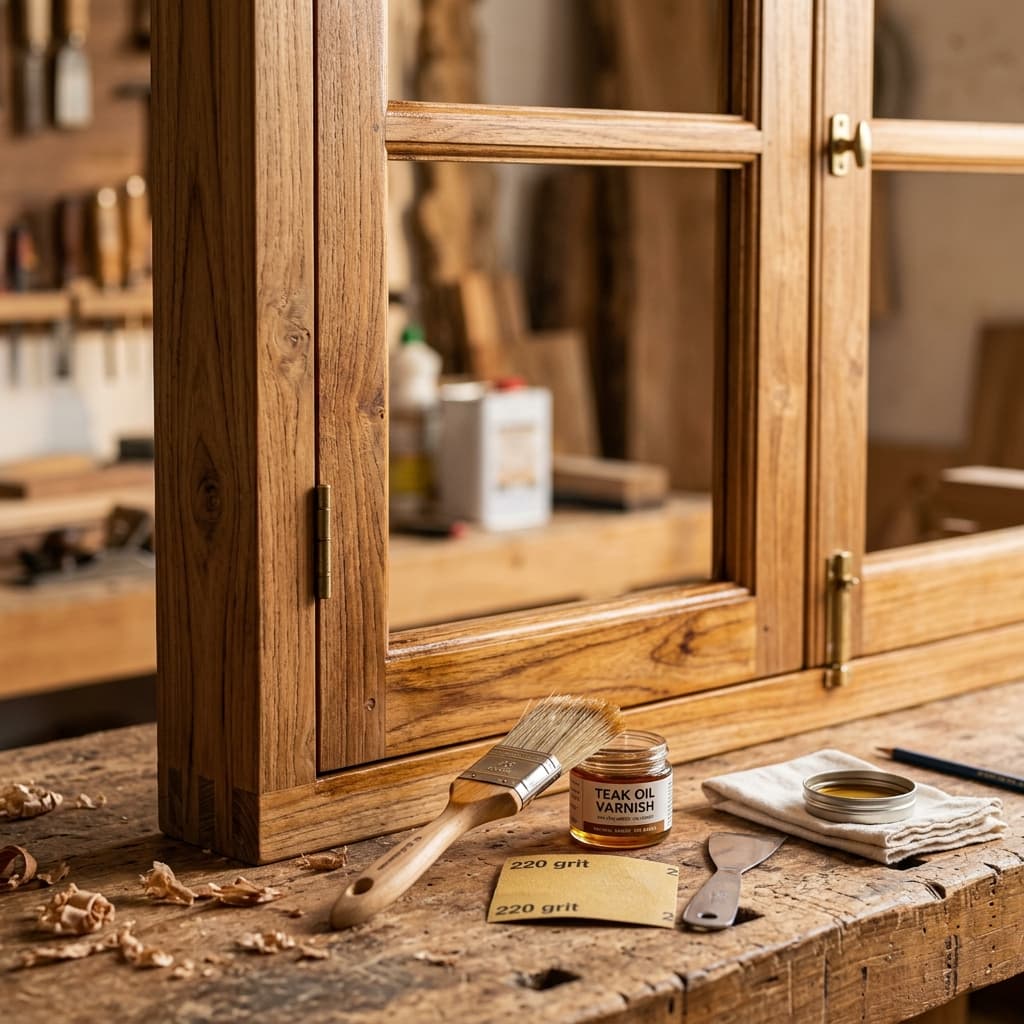
Real timber windows carry an emotional and aesthetic appeal that synthetic materials can mimic but never fully replicate.
1. Organic Grain & Heritage Character#
In heritage restorations, luxury villas, and traditional courtyard homes, solid teak, sal, or rosewood frames blend seamlessly with exposed brickwork, stone flooring, and handcrafted wooden furniture.
2. Craftsmanship & Custom Carving#
Skilled carpenters can hand-carve intricate arches, traditional louvers, and bespoke moldings directly into timber sashes.
3. Repairability & Refinishing#
Unlike materials that must be replaced if scratched or chipped, solid timber can be sanded down, re-stained, or re-varnished multiple times across decades.
The Reality of Wooden Window Maintenance#
However, natural wood comes with inescapable maintenance demands. Untreated or poorly sealed timber absorbs humidity during monsoons, causing sashes to swell, jam, warp, or crack under scorching summer sun. Furthermore, timber remains vulnerable to drywood termite attacks and fungal rot if protective coatings deteriorate.
What Makes uPVC Windows Different?#
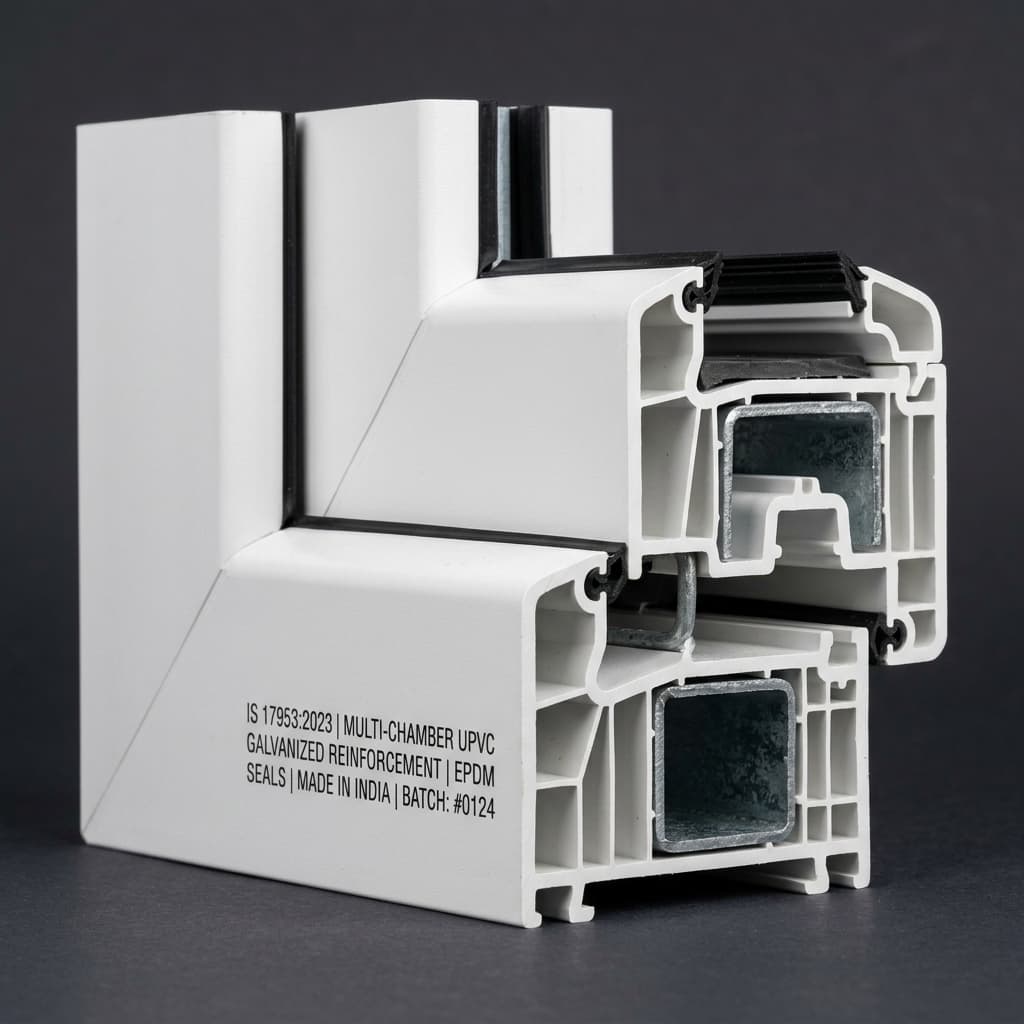
uPVC (unplasticized polyvinyl chloride) is a rigid, UV-stabilized polymer engineered specifically for exterior architectural applications.
In India, quality uPVC window profiles are manufactured and standardized under IS 17953:2023 (uPVC Profiles for Windows and Doors – Specification published by the Bureau of Indian Standards).
Key Features of BIS-Compliant uPVC Windows:#
- Multi-Chamber Engineering: Multi-chamber uPVC profiles trap static air pockets, delivering high thermal and acoustic insulation.
- Galvanized Steel Core Reinforcement: Continuous 1.5mm+ hot-dipped steel box sections inside profile chambers provide immense structural rigidity.
- Fusion-Welded Corners: Frame and sash joints are heat-welded at 250°C, forming 100% seamless, leak-proof corner joints.
- Zero Moisture Absorption: uPVC will never swell, rot, warp, or corrode during monsoon downpours.
Monsoon Performance: uPVC vs. Wood#
During the Indian rainy season, high atmospheric humidity and wind-driven rain put window seals to the test.
- Wooden Windows in Monsoon: Wood absorbs water vapor, causing sashes to swell tight inside frames. Sashes stick, handles become difficult to turn, and paint or varnish peels. If water pools in lower joints, timber rot can set in.
- uPVC Windows in Monsoon: uPVC is 100% moisture-proof. Sashes open and close with equal ease during dry summer and torrential monsoon. Combined with sloped drainage channels and EPDM weather seals, waterproof uPVC windows prevent rainwater infiltration.
Are uPVC Windows More Energy Efficient Than Wood?#
Thermal efficiency is determined by the entire window assembly—frame material, glass selection, gasket sealing, and air infiltration.
Frame Conductivity Comparison#
- Wood: Natural thermal insulator with low thermal conductivity (k ≈ 0.13 W/mK).
- uPVC: Excellent thermal insulator (k ≈ 0.17 W/mK), far outperforming non-thermally broken aluminium windows (k ≈ 160 W/mK).
Air Infiltration & Double Glazing#
While raw wood insulates well, warped wooden sashes leave hairline gaps that let cooled air conditioning leak out. Modern uPVC windows feature compression gaskets and Double Glazed Units (DGU) that eliminate air leaks and reduce air conditioning energy bills by up to 30%.
uPVC Windows vs. Wooden Windows: Practical Comparison Table#
| Feature / Criteria | uPVC Window Systems | Natural Wooden Windows |
|---|---|---|
| Material Standard | IS 17953:2023 (BIS Certified) | Varies by Timber Grade (Teak / Sal) |
| Moisture & Monsoon Resistance | 100% Waterproof (Zero Swelling/Rot) | Vulnerable to swelling, warping & rot |
| Termite & Pest Resistance | 100% Termite & Insect Proof | Requires periodic anti-termite treatment |
| Maintenance Requirements | Low (Wipe clean with soapy water) | High (Sanding & varnishing every 2–3 yrs) |
| Corner Joint Integrity | Fusion-Welded (100% Watertight) | Mortise & Tenon / Screw Joints |
| Aesthetic Customization | White, Anthracite & Woodgrain Foils | Authentic natural grain & custom stain |
| Thermal & Acoustic Sealing | Dual EPDM Compression Gaskets | Traditional rebate or weatherstrip |
| Lifespan | 30+ Years (Zero Rot) | 50+ Years (If regularly maintained) |
Aesthetics: Real Teak Wood vs. Woodgrain uPVC Lamination#
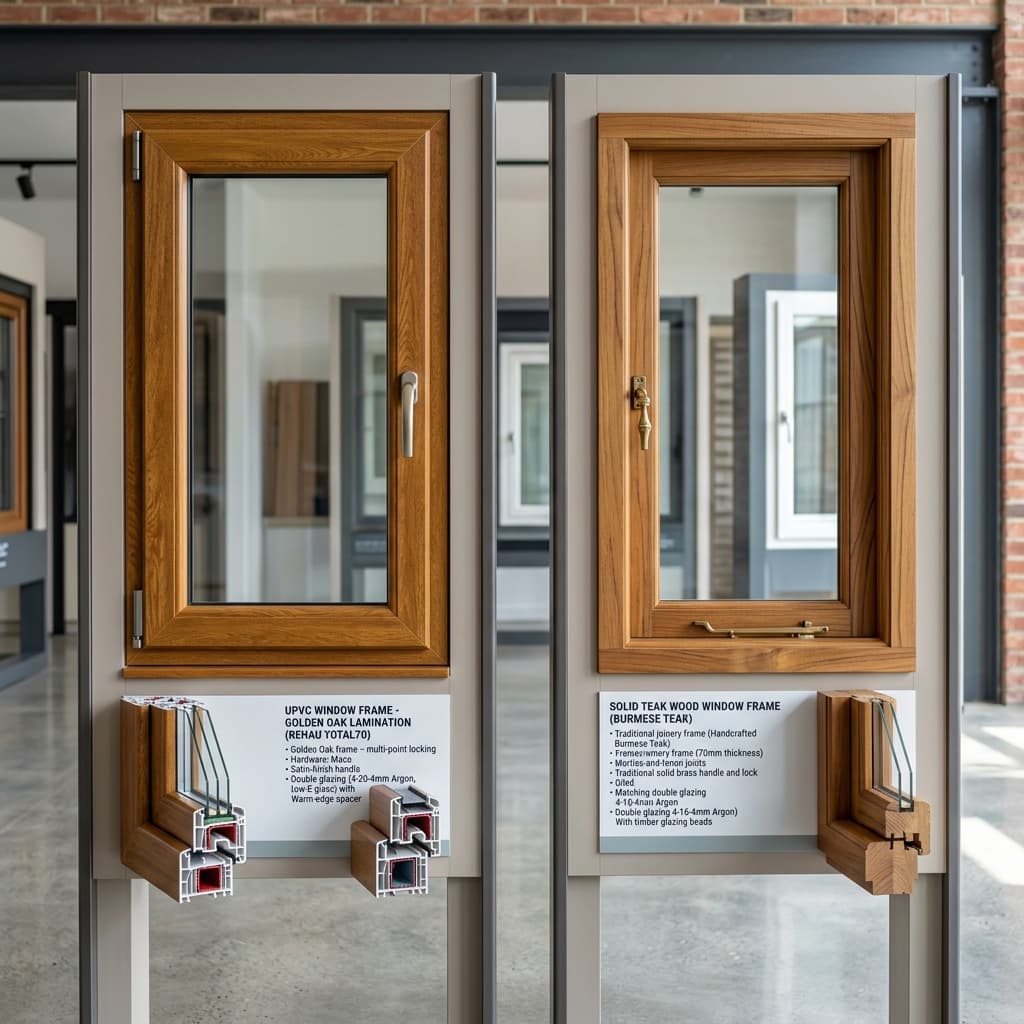
If you love the warm aesthetic of timber but want the low maintenance of synthetic frames, modern uPVC provides a compelling compromise: woodgrain lamination foils.
High-end uPVC manufacturers utilize German UV-resistant exterior foils in finishes such as Golden Oak, Dark Walnut, Mahogany, and Teak. These textured laminations recreate the visual warmth and tactile feel of real timber while providing 100% weather resistance and zero-varnish upkeep.
Decision Framework: Which Should You Choose for Your Home?#
Choose uPVC Windows When:#
- Low Maintenance Is Essential: You want windows that require zero painting, polishing, or termite treatments.
- High Monsoon / Coastal Rainfall: Your home is located in high-humidity or heavy rainfall zones like Mumbai, Goa, Kerala, or coastal regions.
- Modern Architectural Aesthetics: You prefer crisp, uniform frames for apartments, modern villas, or contemporary flats.
- Energy Efficiency & Soundproofing: You want to pair multi-chamber frames with double-glazed acoustic glass to block city traffic noise and cut AC bills.
Choose Wooden Windows When:#
- Heritage / Traditional Architecture: You are constructing a traditional Indian courtyard home, heritage bungalow, or rustic retreat.
- Authentic Timber Grain Priority: Natural wood texture and hand-carved craftsmanship are central design priorities.
- Commitment to Maintenance: You have dedicated maintenance staff or are willing to sand, polish, and refinish frames every 2 to 3 years.
Frequently Asked Questions (FAQs)#
1. Which is better for Indian homes: uPVC windows or wooden windows?#
For most modern Indian homes, uPVC windows are a practical choice because they require less maintenance and offer good moisture resistance. Wooden windows are better suited for homeowners who prefer a natural appearance and are willing to provide regular maintenance.
2. Are uPVC windows better than wooden windows during the monsoon?#
uPVC windows generally have a practical advantage in wet and humid conditions because the material is moisture resistant. However, overall rain protection also depends on seals, drainage, hardware, glazing, and professional installation.
3. Do wooden windows get damaged by moisture?#
Wood can be affected by moisture and weathering if it is not properly protected and maintained. Over time, the finish may deteriorate, and the window may require inspection, protection, and refinishing.
4. Which windows require more maintenance: uPVC or wood?#
uPVC windows generally require less routine maintenance. Wooden windows usually need more regular care, including protection from moisture and periodic refinishing.
5. Are uPVC windows more energy efficient than wooden windows?#
Not necessarily. Energy efficiency depends on the complete window system, including the frame, glass, seals, window orientation, shading, and overall design. Both uPVC and wooden windows can perform well when properly designed.
6. Which windows are better for sound insulation?#
Neither uPVC nor wood automatically guarantees better sound insulation. Glass type, glazing, air gaps, seals, frame design, and installation all play an important role in reducing outside noise.
7. Are wooden windows more durable than uPVC windows?#
Both materials can last for many years when properly specified and maintained. The main difference is their maintenance requirements. uPVC is attractive for homeowners who prefer minimal upkeep, while quality wood can be repaired and refinished over time.
8. Which looks better: wooden windows or uPVC windows?#
This depends on personal preference and home design. Wooden windows offer a natural grain, warmth, and traditional appearance, while uPVC windows provide modern designs, uniform finishes, and multiple colour options.
9. Can uPVC windows look like wood?#
Yes, some modern uPVC windows are available with wood-effect finishes that can resemble natural wood. However, they cannot completely replace the authentic grain and character of real timber.
10. Are uPVC windows suitable for humid and coastal areas?#
uPVC can be a practical option for humid and high-rainfall areas because of its moisture resistance and low-maintenance properties. However, the complete window system, including hardware, seals, drainage, and installation, should also be suitable for the location.
11. Should I choose windows based only on price?#
No. The final decision should consider the window material, profile quality, glass, hardware, seals, installation, maintenance requirements, and expected long-term performance.
12. What is the final choice between uPVC and wooden windows?#
Choose uPVC windows if you want low maintenance, moisture resistance, and modern performance. Choose wooden windows if natural beauty, traditional design, and authentic timber appearance are your priorities and you are comfortable with regular maintenance.
Conclusion#
Neither uPVC nor wooden windows can be declared universally superior—the right material depends on your lifestyle, climate, architectural style, and willingness to perform routine maintenance.
For homeowners seeking natural timber beauty and heritage craftsmanship (and who don't mind periodic polishing), solid wood remains a classic choice. However, for modern Indian homes, high-rise flats, and coastal properties where low maintenance, monsoon waterproofing, thermal efficiency, and long-term value matter most, uPVC windows deliver an unbeatable combination of performance and peace of mind.
Upgrading your home's windows? Contact Samani ECC today for expert fenestration consultations, material comparisons, and customized site quotes.
Keywords

Abdus Salam
Expert Contributor
Expert in architectural aluminium systems and uPVC fenestration with over 20 years of experience in the Indian construction industry.
Related Articles

Technical Guide
Noise Reduction uPVC Windows – The Ultimate Guide for Indian Homes (2026)
Learn how noise reduction uPVC windows block traffic, construction, and city noise in Indian homes. Compare acoustic glass types, STC ratings, and soundproof window styles.
Buyer's Guide
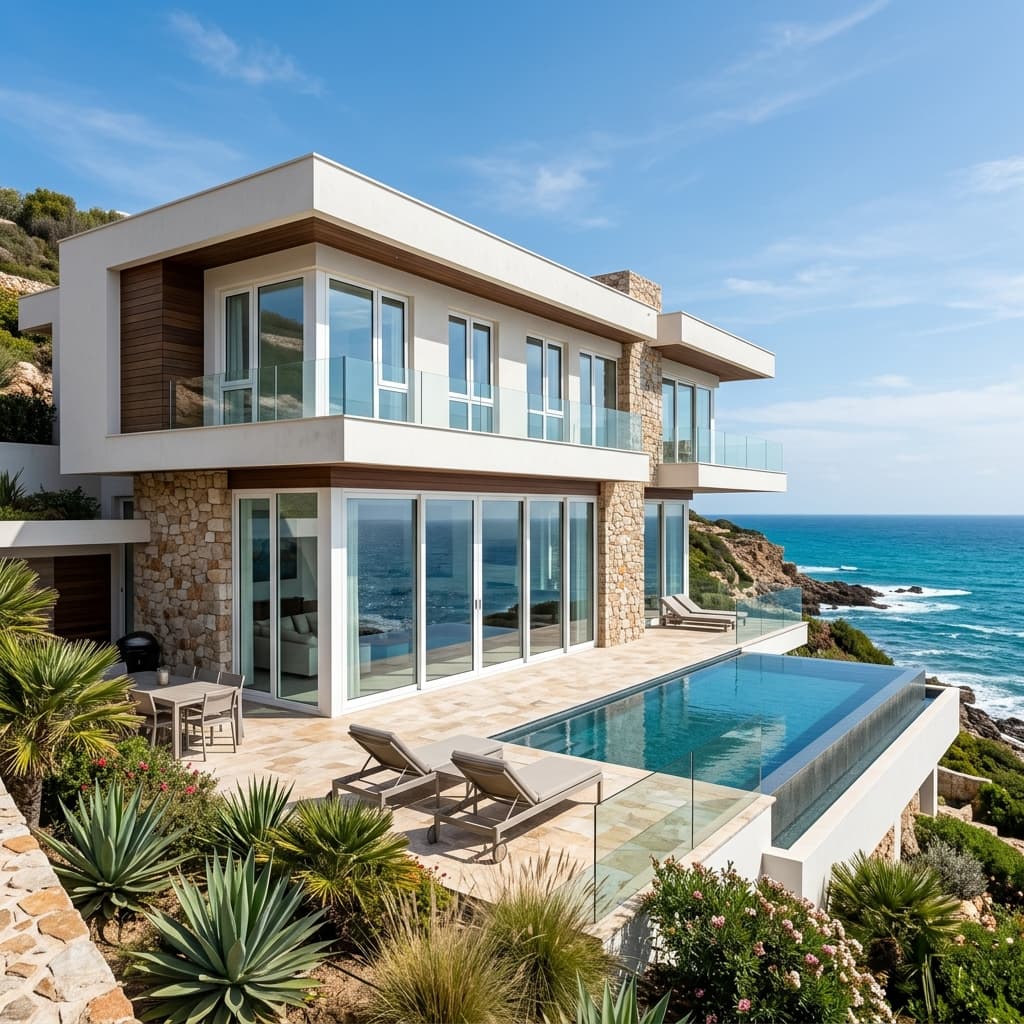
uPVC Windows for Coastal Homes – Salt Air, Corrosion & What Actually Works (2026 Guide)
Discover why uPVC windows are the best choice for coastal and seaside homes in India. Learn how salt-air corrosion resistance, SS316 hardware, and tropical weather seals protect your home.
Buyer's Guide
Aluminium vs uPVC Windows — Which Is Better for Indian Homes in 2026?
A comprehensive 2026 guide comparing Aluminium and uPVC windows for Indian homes. Discover which is better for strength, thermal insulation, aesthetics, and cost to make the right choice for your next project.
Ready to Transform Your Space?
Get a free, no-obligation technical consultation and personalized quote for your premium aluminium window and door requirements. Our experts are ready to bring your vision to life.
