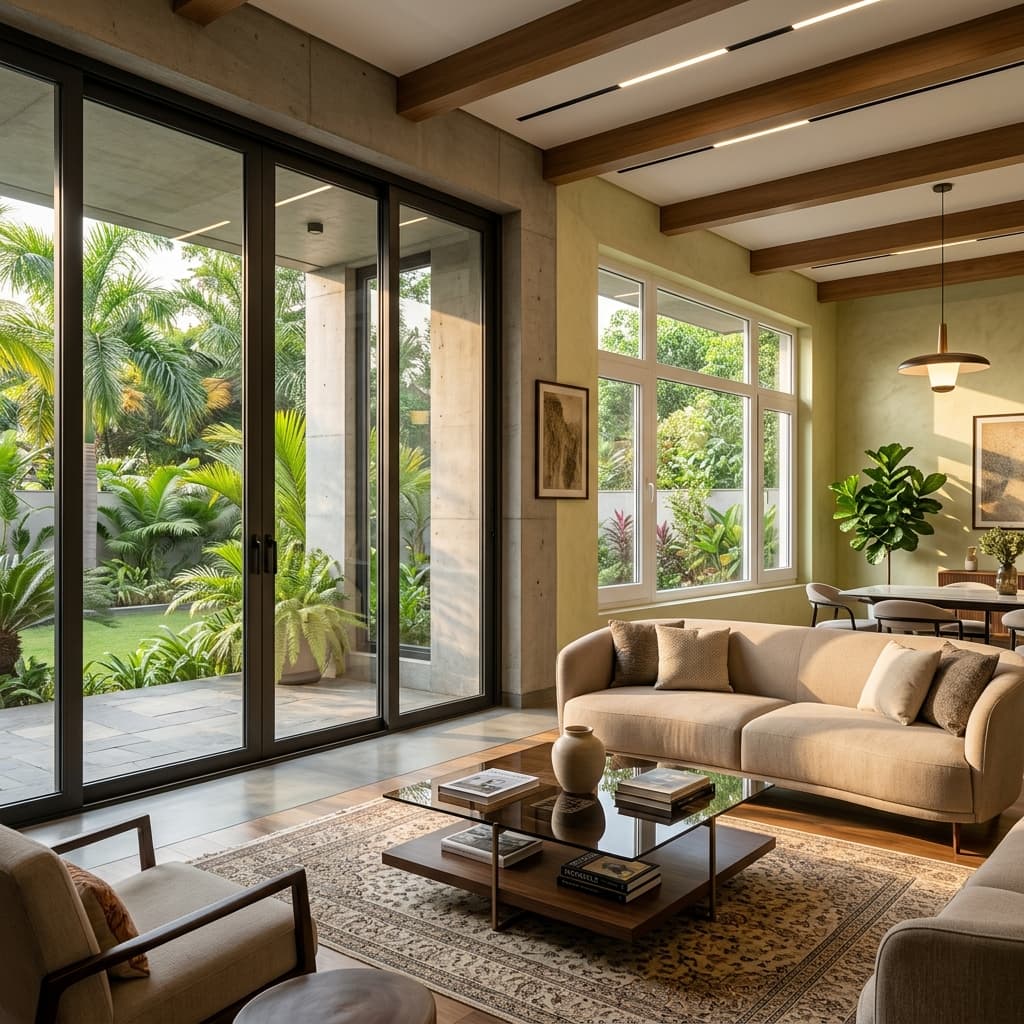
Aluminium vs uPVC Windows — Which Is Better for Indian Homes in 2026?

Abdus Salam
Expert Contributor
Category: Buyer's Guide | Read Time: 12 min | Updated: March 2026
Quick Answer: Aluminium wins on strength, aesthetics, lifespan, and large openings. uPVC wins on thermal insulation and upfront cost. The right choice depends on your city, floor level, budget, and design goals — and this guide breaks it all down.
Introduction: The Most Debated Window Question in India#
If you're building or renovating a home in 2026, chances are you've already heard this debate. Whether you're in Mumbai, Pune, Hyderabad, Bengaluru, Chennai, Delhi, Ahmedabad, or Kolkata — the question is the same:
Should I choose aluminium windows or uPVC windows?
Both materials are widely available across India. Both can be found in fabricated and system-based formats. And both can deliver excellent results when engineered and installed correctly. The confusion arises because most comparisons oversimplify the debate — they compare cheap aluminium against system uPVC, or vice versa, and reach skewed conclusions.
This guide cuts through the noise. We'll compare both materials across 11 critical parameters — giving you an honest, city-specific, fabricator-verified breakdown so you can make the right call for your home, budget, and climate.
What Is Aluminium Window System vs uPVC Window System?#
Before the comparison, understand this: it's not just about material. It's about how the window is engineered.
Fabricated Windows (Both Materials)#
Local fabricators buy raw aluminium or uPVC profiles and assemble windows on-site. Quality depends entirely on the fabricator's skill, hardware choices, and finishing. Most budget windows in India — both aluminium and uPVC — fall into this category.
System Windows (Both Materials)#
Manufactured using a standardised set of profiles, gaskets, hardware, and glazing that are engineered together as a complete solution. System windows offer consistent performance, defined tolerances, and repeatable quality.
Important: A poorly fabricated aluminium window will lose to a well-engineered uPVC system every time — and vice versa. When comparing, always compare equivalent engineering levels.
Head-to-Head Comparison: Aluminium vs uPVC Windows#
1. Strength & Structural Performance#
Aluminium is a metal alloy. Its structural rigidity allows it to span large openings without additional reinforcement — making it the go-to choice for floor-to-ceiling windows, sliding doors, curtain walls, and high-rise facades.
uPVC is an engineered rigid plastic. For standard residential window sizes, it performs adequately. But for wider spans (above 1500mm), uPVC profiles require internal steel reinforcement, which adds weight and cost.
| Parameter | Aluminium | uPVC |
|---|---|---|
| Structural span capability | Excellent | Moderate (needs reinforcement for wide spans) |
| Wind load resistance | Very High | Moderate to High |
| Impact resistance | High | Moderate |
| Frame deflection under load | Very Low | Low to Moderate |
Verdict: Aluminium wins clearly for large openings, high-rise buildings, and commercial applications. For standard residential windows up to 4 ft x 4 ft, both perform adequately.
2. Thermal Insulation (Heat & Cold Performance)#
This is where the uPVC advantage is most discussed — and often misunderstood.
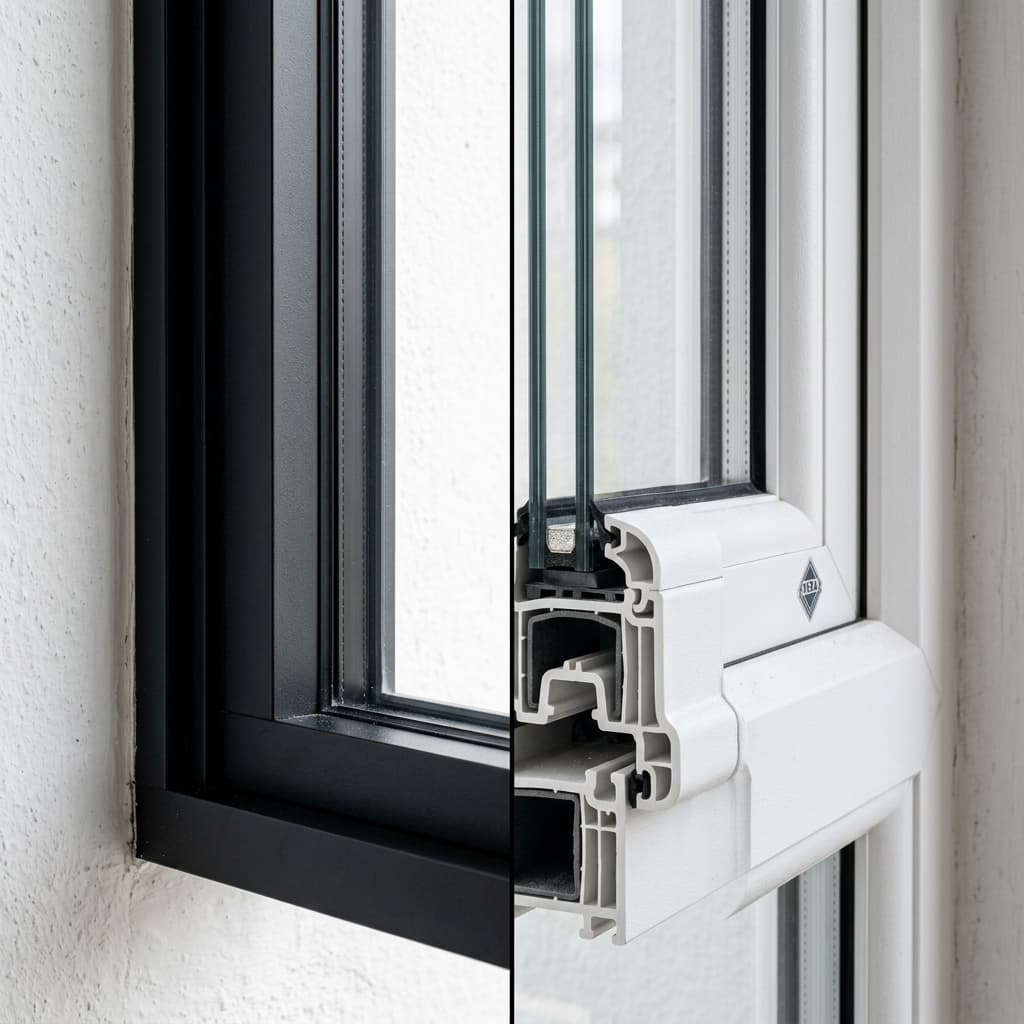
uPVC is inherently non-conductive. Its multi-chambered profile traps air inside the frame, reducing heat transfer without any additional engineering. This makes standard uPVC frames naturally more insulating than standard aluminium frames.
Aluminium is a metal and conducts heat. Without a thermal break — a strip of non-conductive material inserted inside the aluminium section — aluminium frames can transfer outdoor heat directly into your home.
However, modern thermally-broken aluminium systems close this gap significantly. For climates above 35°C (Ahmedabad, Delhi, Jaipur, Nagpur), thermally-broken aluminium with double glazing performs comparably to uPVC.
| City / Climate | Recommended Choice |
|---|---|
| Mumbai (Humid coastal) | Aluminium with anodised finish or uPVC |
| Pune (Moderate, monsoon) | Both perform well |
| Delhi / Noida / Gurgaon (Hot summers, cold winters) | Thermally-broken aluminium or uPVC |
| Chennai (Hot, humid year-round) | Thermally-broken aluminium or uPVC |
| Bengaluru (Mild, year-round pleasant) | Aluminium (thermal break less critical) |
| Hyderabad (Hot, semi-arid) | Thermally-broken aluminium or uPVC |
| Ahmedabad / Surat (Extreme heat) | uPVC or thermally-broken aluminium strongly recommended |
| Kolkata (Humid, monsoon-heavy) | Aluminium with powder coat or uPVC |
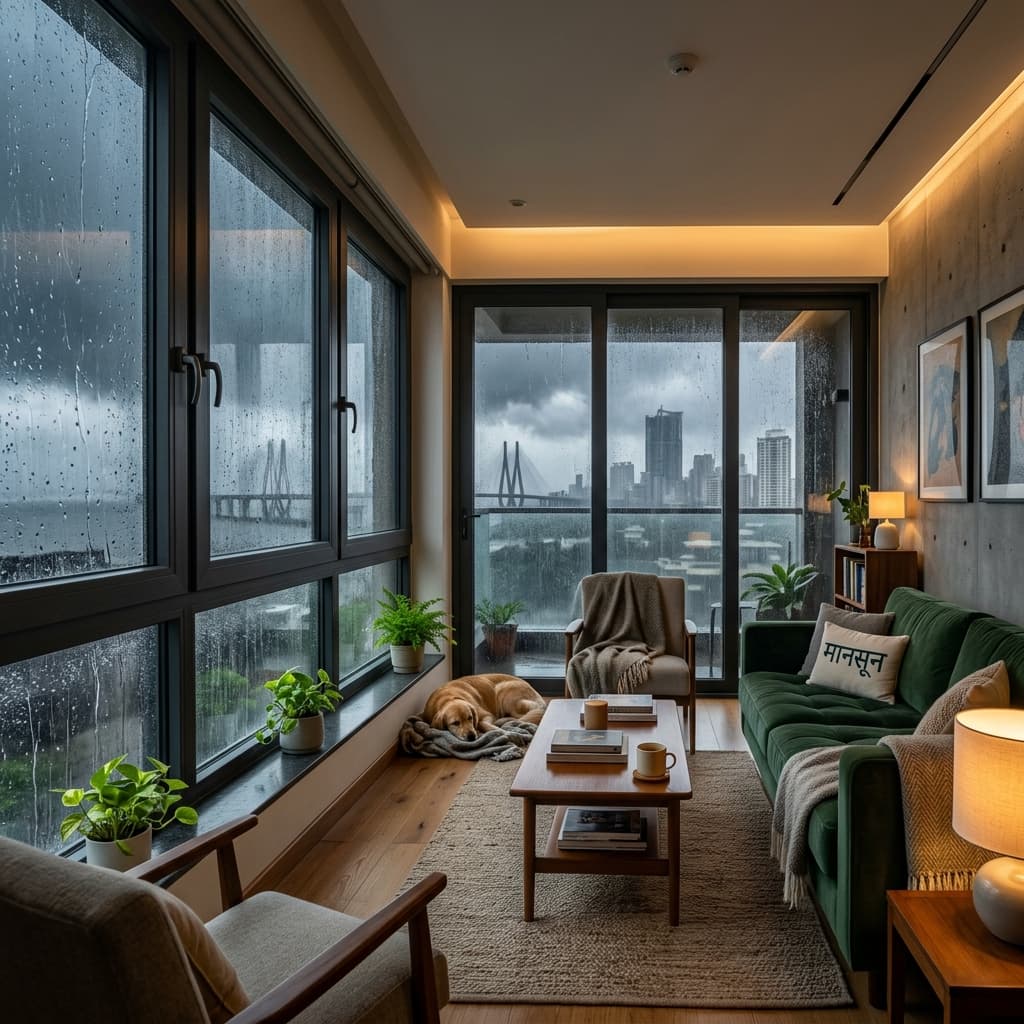
Note: If you live in a coastal area like Mumbai, ensuring your window installation is fully monsoon-proof is critical. Learn more about preventing water leaks and selecting the right frame type in our Mumbai Monsoon-Proofing Guide.
Verdict: uPVC wins at thermal insulation by default. Aluminium catches up with thermal break systems, but at higher cost.
3. Acoustic Insulation (Sound Reduction)#
Noise is now a top-3 concern for urban homeowners in India. Whether you're near a highway in Delhi NCR, a busy road in Mumbai's suburbs, or a commercial area in Bengaluru, acoustic performance matters.
Both materials achieve good acoustic insulation with the right glass — specifically double glazed units (DGU) or laminated glass. The frame material plays a secondary role.
- uPVC multi-chambered profiles provide a slight edge in passive acoustic performance at the frame level.
- Aluminium with compressed EPDM gaskets and double glazing achieves comparable results.
Verdict: With double glazing, both materials are effective. For apartments facing roads in Chennai, Hyderabad, Pune, or Mumbai, specify 5+12+5 double glazed units regardless of frame material.
4. Durability & Lifespan#
| Material | Typical Lifespan | Key Risk |
|---|---|---|
| Aluminium (powder coated) | 40–50+ years | Coastal salt corrosion without marine-grade treatment |
| Aluminium (anodised) | 50+ years | Minimal risk — best for coastal cities |
| uPVC | 20–30 years | UV-induced colour fading, brittleness in extreme heat |
For homeowners in Mumbai, Chennai, Kochi, Visakhapatnam, or any other coastal city — aluminium with marine-grade powder coating or anodising is the long-term winner. uPVC can degrade faster in salt-laden coastal air.
For Delhi, Jaipur, Ahmedabad — extreme summer temperatures (45°C+) can cause uPVC to expand and warp over time. Aluminium handles temperature extremes better structurally.
Verdict: Aluminium wins on long-term durability, especially in coastal and extreme climate zones.
5. Aesthetics & Design Flexibility#
This is aluminium's most decisive advantage in 2026.
Aluminium profiles are thinner. This means more glass area, slimmer sightlines, and a more modern, architectural appearance. For contemporary homes, minimalist interiors, and premium apartments — aluminium simply looks better.
uPVC profiles are thicker. The material requires more bulk for structural integrity, which means wider frames and less visible glass. This suits traditional and mid-range construction but can look heavy in modern architecture.
| Design Feature | Aluminium | uPVC |
|---|---|---|
| Sightline width | 20–45 mm (slim) | 60–80 mm (wider) |
| Colour options | Unlimited (powder coat + wood grain foils) | Limited (mainly white, beige, grey, wood foil) |
| Custom finishes | Yes — RAL colours, metallic, matte, gloss | Limited |
| Large format openings | Ideal | Requires reinforcement |
| Architectural projects | Widely specified | Rarely specified |
For high-end projects in Mumbai, Bengaluru, Hyderabad, or premium townships in Pune, architects almost universally specify aluminium for its slim profiles and design versatility.
Verdict: Aluminium wins on aesthetics by a significant margin.
6. Cost Comparison (2026 India Pricing)#
This is where most homeowners make their decision — and where the comparison needs nuance.
uPVC Window Price per sq ft (2026)
| Type | Price Range |
|---|---|
| Basic fabricated uPVC | ₹250 – ₹450 per sq ft |
| System uPVC (mid-range) | ₹450 – ₹750 per sq ft |
| Premium system uPVC with DGU | ₹700 – ₹1,100 per sq ft |
Aluminium Window Price per sq ft (2026)
| Type | Price Range |
|---|---|
| Basic fabricated aluminium | ₹300 – ₹500 per sq ft |
| Standard system aluminium | ₹500 – ₹900 per sq ft |
| Thermally broken aluminium with DGU | ₹900 – ₹1,600 per sq ft |
City-Wise Installation Cost Comparison
| City | uPVC Installation | Aluminium Installation |
|---|---|---|
| Mumbai | ₹80 – ₹130 per sq ft | ₹90 – ₹140 per sq ft |
| Pune | ₹60 – ₹100 per sq ft | ₹70 – ₹110 per sq ft |
| Bengaluru | ₹60 – ₹100 per sq ft | ₹70 – ₹110 per sq ft |
| Hyderabad | ₹55 – ₹90 per sq ft | ₹65 – ₹100 per sq ft |
| Delhi / NCR | ₹60 – ₹100 per sq ft | ₹70 – ₹110 per sq ft |
| Chennai | ₹55 – ₹90 per sq ft | ₹65 – ₹100 per sq ft |
| Ahmedabad / Surat | ₹50 – ₹85 per sq ft | ₹60 – ₹95 per sq ft |
| Kolkata | ₹55 – ₹90 per sq ft | ₹65 – ₹100 per sq ft |
| Nagpur / Nashik | ₹50 – ₹80 per sq ft | ₹55 – ₹90 per sq ft |
| Jaipur / Lucknow | ₹50 – ₹80 per sq ft | ₹55 – ₹85 per sq ft |
Pro Tip: Don't make the decision on material price alone. A ₹200/sq ft difference across 200 sq ft of windows = ₹40,000 total. Over a 40-year lifespan, that's ₹1,000/year — less than what you'd spend on maintenance, replacement, or energy bills if you chose the wrong material for your climate.
Verdict: uPVC wins on upfront cost. Aluminium wins on cost-per-year-of-life.
7. Maintenance#
Both materials are dramatically lower maintenance than wood. But there are real differences:
Aluminium:
- Powder-coated finish: Wipe clean, no repainting needed for 10–15 years
- Anodised finish: Virtually maintenance-free for 20+ years
- Hardware (rollers, locks): Needs lubrication every 1–2 years
- Coastal areas: Annual wash with fresh water to remove salt deposits
uPVC:
- Wipe with mild detergent — no painting ever needed
- Cannot be repainted if colour fades — frame must be replaced
- UV-exposed frames in Ahmedabad, Jaipur, or Nagpur may yellow after 8–12 years
- Hardware: Similar maintenance requirements
Verdict: Both are low maintenance. Aluminium offers more long-term consistency, especially in sun-exposed and coastal locations.
8. Security#
Both materials can be fitted with multi-point locking systems, anti-lift devices, and reinforced hardware. The frame material is less important than the hardware specification.
However, aluminium's higher strength means it's harder to force open — particularly important for ground-floor homes in Delhi NCR, Mumbai suburbs, or standalone villas anywhere in India.
Verdict: Aluminium has a slight edge for security-critical applications.
9. Environmental Impact#
Aluminium is 100% recyclable and can be recycled indefinitely without quality loss. India's aluminium recycling infrastructure is growing. However, primary aluminium production is energy-intensive.
uPVC is also recyclable but requires more complex recycling processes. It contains plasticisers and stabilisers that can complicate end-of-life processing.
Verdict: Aluminium is the more sustainable long-term choice due to infinite recyclability and longer lifespan (fewer replacements over a building's life).
10. Fire Resistance#
Aluminium is non-combustible. It meets fire safety requirements for high-rise buildings under NBC 2016 norms — a key reason aluminium is mandated in commercial and high-rise construction.
uPVC is technically self-extinguishing but will deform and soften under fire conditions. It is not recommended for buildings above G+4 under most fire safety guidelines.
For apartments above the 5th floor in Mumbai, Bengaluru, Hyderabad, or Delhi NCR — aluminium is the compliant and safer choice.
Verdict: Aluminium wins clearly on fire safety compliance.
11. Resale Value Impact#
Premium finishes and durable materials add to property resale value — and in India's 2026 real estate market, the quality of windows and doors is increasingly scrutinised by buyers.
Aluminium windows — particularly slim-profile, thermally broken systems with double glazing — signal a premium project and hold up visually over time. uPVC windows, especially if yellowed or degraded, can reduce perceived property quality at resale.
For investment properties in Mumbai, Pune, Hyderabad, or Bengaluru — aluminium is the stronger choice for long-term asset value.
Verdict: Aluminium scores higher on resale impact.
Complete Scorecard: Aluminium vs uPVC#
| Parameter | Aluminium | uPVC | Winner |
|---|---|---|---|
| Strength & Structure | ***** | *** | [Winner] Aluminium |
| Thermal Insulation (standard) | *** | ***** | [Winner] uPVC |
| Thermal Insulation (with thermal break) | **** | ***** | [Tie] |
| Acoustic Insulation | **** | **** | [Tie] |
| Durability & Lifespan | ***** | *** | [Winner] Aluminium |
| Aesthetics & Design | ***** | *** | [Winner] Aluminium |
| Upfront Cost | *** | ***** | [Winner] uPVC |
| Long-term Value | ***** | *** | [Winner] Aluminium |
| Maintenance | **** | **** | [Tie] |
| Security | ***** | **** | [Winner] Aluminium |
| Environmental Impact | ***** | *** | [Winner] Aluminium |
| Fire Resistance | ***** | ** | [Winner] Aluminium |
| Resale Value Impact | ***** | *** | [Winner] Aluminium |
Overall: Aluminium wins 8, uPVC wins 2, Tie 3
Who Should Choose What? — Decision Guide by Home Type#
Choose Aluminium Windows if you are:#
- Building a modern, contemporary, or luxury home anywhere in India
- Living in or building above the 5th floor (high-rise, fire safety compliance)
- Located in a coastal city — Mumbai, Chennai, Kochi, Visakhapatnam, Goa
- Installing large format windows or sliding doors (3 ft x 6 ft and above)
- Planning for a premium finish and long-term asset value
- Located in Bengaluru where mild climate makes thermal breaks less critical
- Prioritising slim profiles and maximum glass area
Choose uPVC Windows if you are:#
- Working with a tight budget on a mid-range residential project
- Building in extreme heat zones — Ahmedabad, Jaipur, Nagpur — where default thermal insulation is a priority
- Renovating an existing home where aesthetics are less of a priority
- Installing windows on lower floors with standard residential sizing
- Focused primarily on noise and heat reduction in an apartment
City-Specific Recommendation Summary#
| City | Top Recommendation | Reason |
|---|---|---|
| Mumbai | Aluminium (anodised or marine-grade powder coat) | Coastal humidity, high-rise prevalence, aesthetics |
| Pune | Aluminium | Mild climate, growing premium residential market |
| Bengaluru | Aluminium | Mild climate, tech-sector premium housing demand |
| Hyderabad | Thermally-broken Aluminium | Hot summers, rapidly growing premium housing |
| Chennai | Thermally-broken Aluminium or uPVC | Hot & humid, coastal salt consideration |
| Delhi / NCR | Thermally-broken Aluminium or uPVC | Extreme seasonal variation, noise from roads |
| Ahmedabad / Surat | uPVC or Thermally-broken Aluminium | Extreme heat, thermal performance critical |
| Kolkata | Aluminium (powder coated) | High humidity, monsoon-heavy |
| Jaipur / Udaipur | uPVC or Thermally-broken Aluminium | Very high temperatures |
| Nagpur | uPVC or Thermally-broken Aluminium | One of India's hottest cities |
| Kochi / Goa / Vizag | Aluminium (marine-grade only) | Coastal salt air — uPVC degrades faster here |
| Nashik / Aurangabad | Aluminium | Moderate climate, growing residential construction |
Frequently Asked Questions (FAQs)#
1. Which is better — aluminium or uPVC windows?#
For most modern Indian homes above mid-range, aluminium is the better long-term choice due to superior durability, aesthetics, strength, fire safety, and resale value. uPVC is better for budget projects, extreme heat zones, or when thermal insulation is the top priority without spending extra on thermal break systems.
2. Are aluminium windows more expensive than uPVC in India?#
Yes, typically. Aluminium windows range from ₹300–₹1,600 per sq ft depending on system type, glass, and finish. uPVC ranges from ₹250–₹1,100 per sq ft. However, aluminium's longer lifespan (40–50 years vs 20–30 for uPVC) means the lifetime cost difference narrows significantly.
3. Which windows are better for Mumbai homes?#
For Mumbai, aluminium with anodised or marine-grade powder-coated finish is strongly recommended. The coastal salt air, high-rise prevalence, and humidity make aluminium more durable than uPVC in the long run.
4. Which is better for Bengaluru homes — aluminium or uPVC?#
Bengaluru's mild climate means thermal insulation is less critical than in other Indian cities. This makes aluminium the clear choice in Bengaluru — you get better aesthetics, strength, and durability without needing the thermal break that other cities require.
5. Do aluminium windows cause heat inside the house?#
Standard aluminium frames without a thermal break can conduct heat — particularly in hot cities like Delhi, Ahmedabad, or Hyderabad. The solution is specifying thermally-broken aluminium profiles combined with double glazed units (DGU), which significantly reduces heat transfer and brings performance close to uPVC.
6. What is a thermal break in aluminium windows?#
A thermal break is a strip of non-conductive material (usually polyamide) inserted inside the aluminium section, separating the inner and outer faces of the frame. This interrupts the path of heat conduction through the metal, dramatically improving the window's insulation performance.
7. Are uPVC windows safe for high-rise apartments?#
uPVC is not recommended for buildings above G+4 under most Indian fire safety guidelines because it deforms under fire conditions. For high-rise apartments in Mumbai, Bengaluru, Hyderabad, or Delhi NCR, aluminium is the safer, code-compliant choice.
8. How long do uPVC windows last in India?#
With good quality profiles and proper installation, uPVC windows typically last 20–30 years in India. In extreme heat zones (Ahmedabad, Nagpur, Jaipur) or coastal areas with salt air, the lifespan may be shorter due to UV-induced yellowing and material degradation.
9. Can aluminium windows be powder coated in any colour?#
Yes. Aluminium can be powder coated in any RAL colour — from classic whites and greys to metallic bronze, charcoal black, wood grain foils, and custom shades. This is one of aluminium's key aesthetic advantages over uPVC, which is limited to a narrower colour range.
10. Which is more eco-friendly — aluminium or uPVC?#
Aluminium is more eco-friendly in the long run. It is 100% recyclable indefinitely without quality loss, and its longer lifespan means fewer replacements. While aluminium production is energy-intensive, the long service life and recyclability offset this. uPVC recycling is more complex and the material's shorter lifespan means more replacement cycles.
11. What is the best window type for Indian balconies?#
For Indian balconies, aluminium sliding windows or aluminium multi-track sliding systems are the most popular and practical choice. They allow full-width ventilation, are easy to clean, handle monsoon conditions well, and offer a clean, modern look. For premium balconies, consider 3-track or 4-track sliding systems.
12. Are system windows worth the extra cost over fabricated windows?#
Yes — particularly for mid-range and above projects. System windows use engineered profiles, tested hardware, and defined installation protocols that guarantee consistent performance. Fabricated windows depend entirely on the contractor's skill. For a home you're planning to live in for 20+ years, system windows are a worthwhile investment.
Conclusion#
In 2026, the aluminium vs uPVC debate has a clear answer for most Indian homeowners: aluminium is the superior choice for modern, long-term, aesthetics-first, and safety-conscious projects. uPVC remains a valid and practical option for budget-driven projects and climates where thermal insulation is the primary concern.
The smartest decision isn't simply picking a material — it's matching the right system, glass type, hardware, and finish to your specific city, climate, floor level, and budget. A thermally-broken aluminium window with double glazing in Mumbai or Hyderabad will outperform a basic uPVC window across almost every parameter over a 20-year horizon.
If you're located in Mumbai, Pune, Bengaluru, Hyderabad, Chennai, Delhi, Ahmedabad, Kolkata, Jaipur, Nashik, Nagpur, Surat, Kochi, Lucknow, Visakhapatnam, or any other Indian city — consult a specialist fabricator who can recommend the right system for your specific project.
This guide was written to help homeowners, architects, and developers make informed, city-specific decisions about aluminium and uPVC window systems in India.
Related Reads#
- Aluminium Sliding Window Price in India (2026 Updated Guide)
- 2 Track vs 3 Track Aluminium Sliding Windows — What's the Difference?
- Powder Coating vs Anodising — Which Finish Is Right for Your Aluminium Windows?
- Double Glazed Windows India — Are They Worth It in 2026?
- Best Aluminium Window Brands in India (2026 Comparison)
#aluminium windows India #uPVC windows India #aluminium vs uPVC #windows price India 2026 #best windows for Indian homes #aluminium windows Mumbai #aluminium windows Pune #aluminium windows Bengaluru #aluminium windows Hyderabad #aluminium windows Chennai #aluminium windows Delhi #thermal break windows India #double glazed windows India #window buying guide India
Ready to Upgrade Your Spaces?#
Samani ECC is your trusted partner for premium architectural solutions across India. Whether you've decided on the sleek, modern elegance of Aluminium or the functional thermal efficiency of uPVC, our expert team is here to help you bring your vision to life with precision engineering and installation.
Keywords

Abdus Salam
Expert Contributor
Expert in architectural aluminium systems and uPVC fenestration with over 20 years of experience in the Indian construction industry.
Related Articles
Buyer's Guide
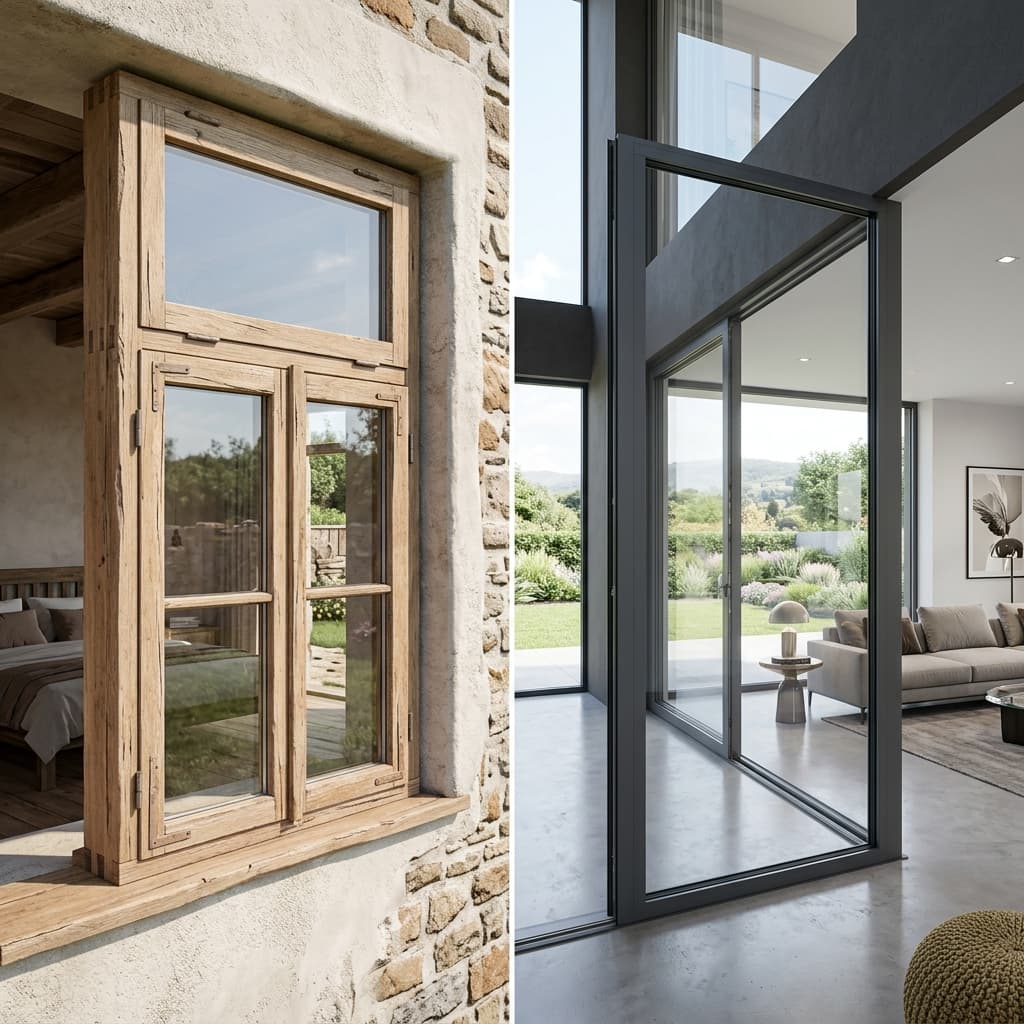
System Windows vs Traditional Aluminium Windows: Which Is Better for Modern Homes?
An in-depth comparison between engineered system windows and traditional site-fabricated aluminium windows for modern Indian homes.
Buyer's Guide
uPVC Windows for Coastal Homes – Salt Air, Corrosion & What Actually Works (2026 Guide)
Discover why uPVC windows are the best choice for coastal and seaside homes in India. Learn how salt-air corrosion resistance, SS316 hardware, and tropical weather seals protect your home.
Buyer's Guide
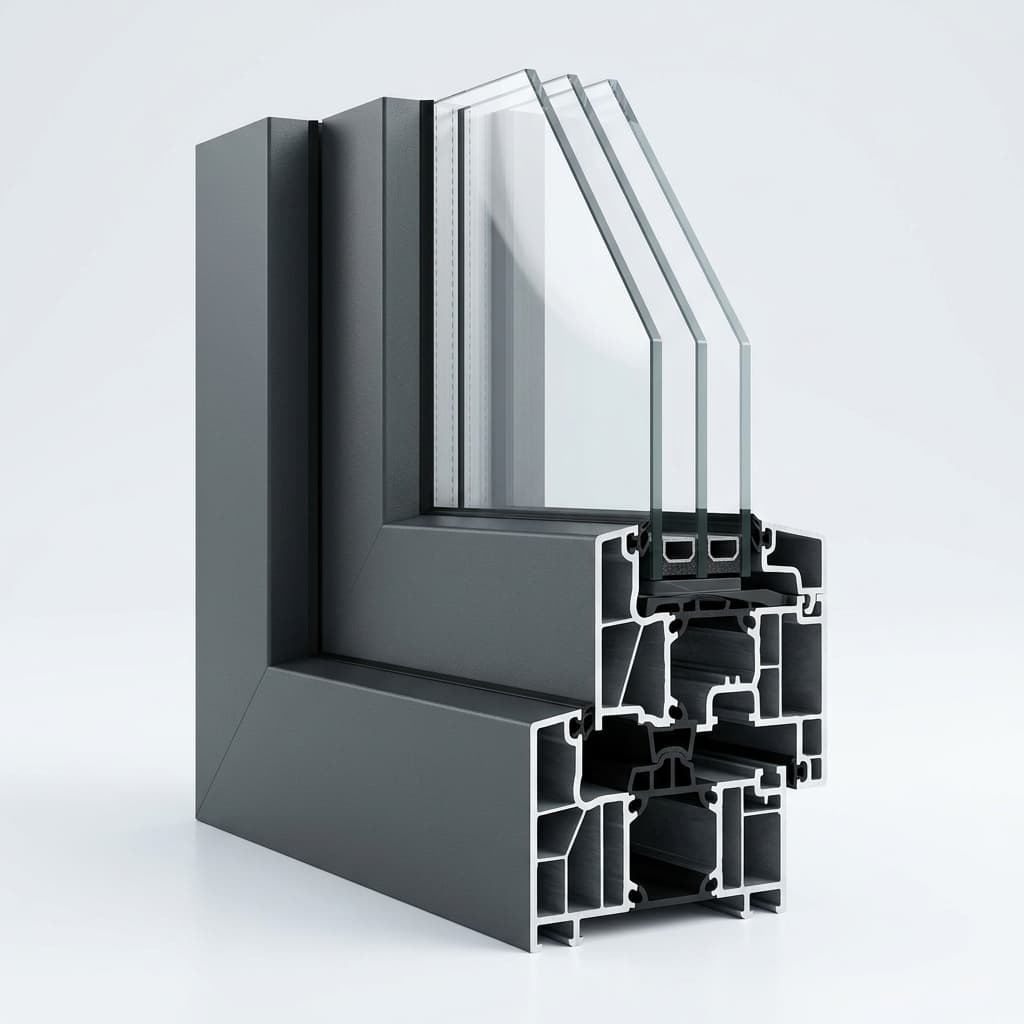
Complete Guide to System Windows: Standards, Performance, and Buying Advice
Learn how high-performance system windows deliver superior energy savings, acoustics, and durability. An expert buyer's guide with standards, cost/ROI, and FAQs by Samani ECC.
Ready to Transform Your Space?
Get a free, no-obligation technical consultation and personalized quote for your premium aluminium window and door requirements. Our experts are ready to bring your vision to life.
