Complete Guide to System Windows: Standards, Performance, and Buying Advice

Abdus Salam
Expert Contributor
Category: Buyer's Guide | Read Time: 12 min | Updated: June 2026
Executive Summary#
System windows are factory-engineered, high-performance window assemblies in which every component – from aluminium profiles and gaskets to glazing and hardware – is designed and tested together as one unit. Unlike normal windows assembled on-site from generic parts, system windows undergo rigorous testing to meet international standards (EN, ASTM, NFRC, etc.) for air tightness, water resistance, wind load, thermal insulation, and acoustics.
The result is predictable performance, superior durability, and long-term energy savings. Modern code and green-building trends increasingly demand the performance that system windows deliver. For homeowners, architects, and builders, choosing quality system windows can mean quieter, more comfortable, secure homes with lower lifetime costs.
This comprehensive guide explains what system windows are, why they outperform ordinary windows, and how to choose the right system window solution for any project. It covers industry standards (with plain-language targets), data-backed performance comparisons, a buying framework for different use-cases, cost and lifecycle ROI analysis, and best practices for installation and maintenance. By the end, you’ll understand how system windows fit into modern building design – and how Samani ECC’s expert solutions can help you get there.
Ready to upgrade? Samani ECC offers free technical consultations and quotes to help you find the perfect high-performance window system for your home or project. Contact our experts today for a personalized evaluation.
What Are System Windows?#
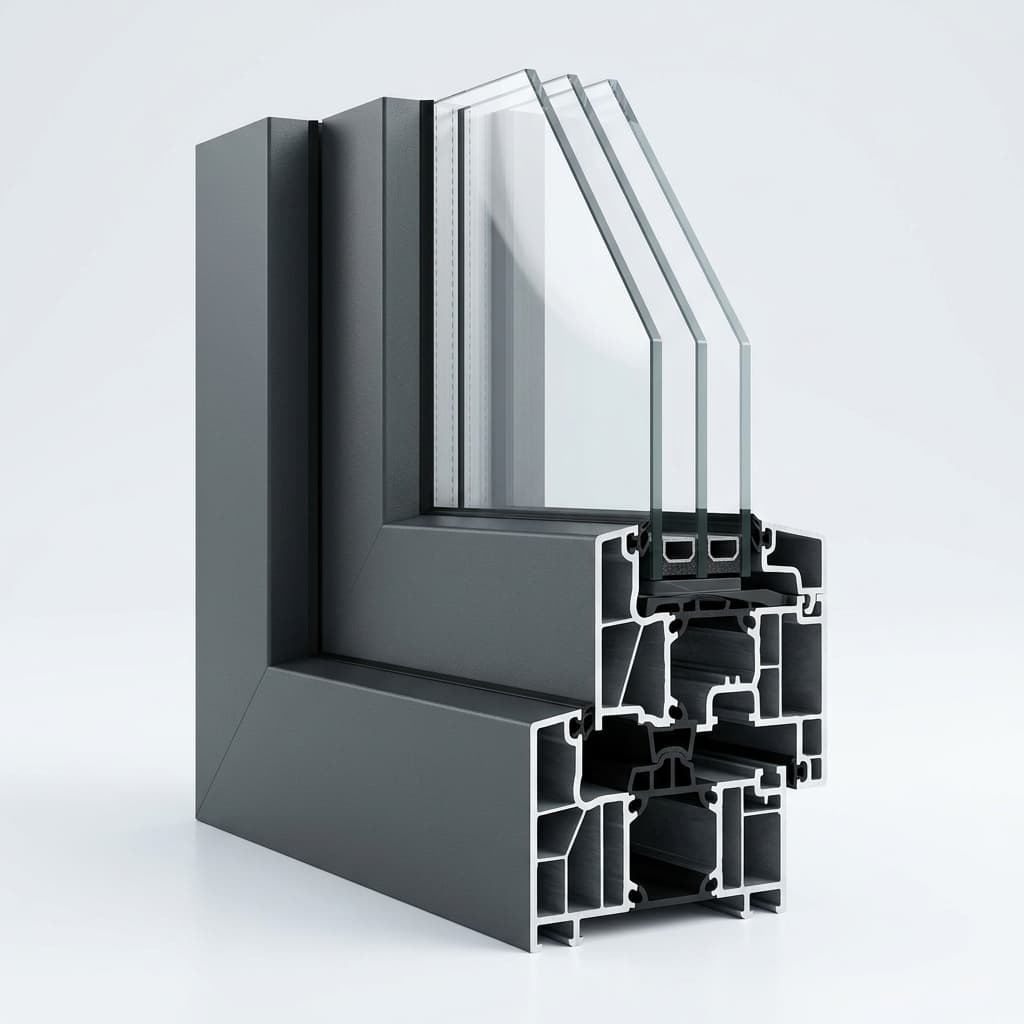
A system window is a fully engineered fenestration system – not just a frame with glass, but an integrated solution. It includes:
- Precision aluminium or uPVC profiles: Extruded sections with thermal breaks (non-conductive barriers) and optimized geometry for strength and insulation.
- Factory-assembled sashes and frames: Factory-assembled units that fit together with tight tolerances (unlike cut-and-assembled local frames).
- High-performance glazing: Insulated glass units (double or triple glazing), often Low-E or gas-filled, laminated or acoustic glass.
- Premium hardware and locks: Coordinated hinges, rollers, and multi-point locks designed for the system’s loads.
- Seals and drainage: Multi-layer rubber gaskets (e.g. EPDM) and built-in drainage channels with pressure-equalization to keep out water and dust.
- Thermal breaks: Polyamide or fiberglass barriers that reduce heat flow through the frame.
Because all components are engineered and tested together, system windows behave predictably. In contrast, conventional (“normal”) windows are usually site-fabricated from readily available profiles and hardware. Their performance depends entirely on the fabricator’s skill, with no guarantee of meeting any certified standard. Common types of traditional windows (sliding, casement, fixed, wooden, basic aluminium) can work, but quality often varies widely.
System windows, on the other hand, are factory-certified for key metrics. For example, a typical system window must pass standardized tests such as EN 12207 (air permeability), EN 12208 (water tightness), EN 12210 (wind load), and NFRC or ASTM procedures for thermal and air leakage. In plain terms, system windows leak much less air and water, resist higher wind pressures, and insulate better. They are ideal for climates with extreme weather (heavy monsoons, high winds, heat) and for urban environments where noise and efficiency matter.
System Window Benefits:
- Superior air and water tightness
- Stronger wind resistance
- Higher thermal insulation (lower U-value)
- Better sound attenuation
- Integrated multi-point security locks
- Consistent quality and durability
“A fenestration system is not just a frame with glass… System windows are engineered as one integrated solution. Every component is compatible, tested together, and optimised for performance.”
Industry Standards and Testing#
System windows are defined by certified performance. They’re tested under international standards, which set measurable targets. Here are the key standards and what they mean in practice:
-
Air Tightness (EN 12207 / ASTM E283): Measures how much air leaks through a closed window under pressure. EN 12207 defines classes 1–4: e.g., Class 3 permits ≤2.25 m³/h·m² at 300 Pa, Class 4 ≤0.75 m³/h·m² at 600 Pa. (For context, ENERGY STAR requires ≤0.3 CFM/ft² ≈ Class 3 in EN.) High-performance systems typically meet Class 3–4, meaning very little airflow even under 300–600 Pa (equivalent to strong wind). Many local windows achieve only Class 1–2 (higher leakage).
-
Water Tightness (EN 12208 / ASTM E331): Evaluates resistance to driving rain. EN 12208 classes 1A–9A correspond to increasing wind-driven pressure. For example, Class 7A resists 450 Pa (~95 km/h wind) with no leaks, Class 8A resists 600 Pa (~110 km/h). Quality system windows often achieve Class 6A–8A or higher, blocking heavy monsoon rain; basic windows may only reach 3A–4A (150–200 Pa) before leaking.
-
Wind Load Resistance (EN 12210 / IS 875): Tests structural strength under wind pressure. EN 12210 defines classes 1–5; e.g., Class 4 implies ±1600 Pa (P1) and ±2400 Pa (P3) tests, meaning the window stays intact under hurricane-level gusts. System windows for high-rise or exposed sites are designed for Class 4–5 (see table below). Many local windows only meet Class 2–3 (600–1200 Pa), sufficient for moderate winds but not severe storms.
-
Thermal Performance (NFRC U-factor): Measures heat transfer. NFRC-certified windows in cold climates often range ~0.20–1.20 (Btu/h·ft²·°F); in SI units, roughly 1.1–6.8 W/m²K. Lower U-value = better insulation. Modern system windows (double/triple IGUs, Low-E glass, thermal breaks) typically achieve U ≈ 1–2 W/m²K, whereas older single-glazed windows can be 4–6 W/m²K. Note: always check whole-window U-values (including frame and hardware).
-
Acoustic Rating (STC or Rw): Sound Transmission Class. Typical single-pane windows are STC 20–25; ordinary double-glazed ~28–33; laminated acoustic IGUs ~38–40. System windows can combine laminated/double glass and airtight frames to reach Rw ≈ 35–45 dB (STC), dramatically reducing street noise (≈5–15× quieter). For noisy sites, look for Rw ≥40.
-
Durability (Cycle Testing): Hardware and frames are cycled (opened/closed) thousands of times per EN and ASTM protocols. System components must survive these cycles without failure. Ordinary windows may use generic hardware without certified cycle life.
In summary, a certified system window will come with actual test reports (e.g., from UL, IFT Rosenheim, BS, etc.) documenting performance. Always verify test data for air, water, and wind.
Standards in Plain Terms: System windows aim for Class 3–4 air tightness, Class 6A–8A water tightness, and Class 4–5 wind resistance. This means virtually zero drafts, no rain leaks under heavy rain/wind, and safe performance in storms. Traditional windows usually fall short of these levels.
Performance Comparison: System vs. Traditional Windows#
The table below summarizes typical performance differences. Values are indicative (actual results depend on specific products and quality of installation):
| Metric | Traditional Window (Locally Fabricated) | High-Performance System Window (Tested) |
|---|---|---|
| Air Leakage (EN 12207) | Often Class 1–2 (≤50–100 Pa): ~5–12 m³/hr·m² @150 Pa | Class 3–4 (≤300–600 Pa): ≤2.25–0.75 m³/hr·m² |
| Water Resistance (EN 12208) | Typically Class 3–5 (150–250 Pa) – some leaks under moderate rain | Class 6A–8A (≥300–600 Pa): blocks heavy driving rain |
| Wind Load (EN 12210 P3) | Class 2–3 (600–1200 Pa) – might deflect under strong wind | Class 4–5 (1600–3000 Pa) – holds firm in high winds |
| Thermal Insulation (U‑Value) | ~4–6 W/m²K (single or poor double glaze) | ~1–2 W/m²K (double/triple IGU, thermal breaks) |
| Acoustic Attenuation (STC/Rw) | ~20–30 dB (single/double glass) | ~35–45 dB (laminated double/triple IGU in insulated frame) |
| Lifespan & Maintenance | ~10–15 years; frequent re-caulking/re-sealing; hardware may fail | ~25–40+ years; engineered for longevity; minimal sealing & hardware upkeep |
| Reliability | Varies by fabricator; can deteriorate over time (warping, leaks) | Factory-certified; predictable durability; often 10+ years warranty |
The key takeaway: system windows outperform traditional windows on every count. For example, a certified system window might be 30% more airtight and 50% more water-resistant than a basic window. It will also carry a higher security rating (multi-point locks) and require far less upkeep. These gains translate into real-world comfort (no drafts or damp spots), energy savings (through lower U-values and leakage), and quiet interiors (thanks to better sealing and glass). Refer to our detailed Aluminium vs uPVC Windows Comparison Guide for more insights.
Why System Windows Matter: Benefits Overview#
- Energy Efficiency: By drastically cutting air infiltration and using insulated glazing, system windows reduce heating/cooling loads. A well-chosen system window with low U-value and low-E glass delivers savings year-round. This often offsets the extra upfront cost over time.
- Noise Reduction: In urban or highway-facing homes, system windows with laminated acoustic glass can reduce outside noise by 10–20 dB more than basic double-glazing. That means conversion of a loud street into a calm interior. Quiet windows improve sleep, productivity, and stress levels.
- Weatherproofing: Robust multi-stage sealing (EPDM gaskets, silicone, hidden drainage, pressure-equalization) prevents leaks and windblown dust. Even under heavy monsoon or storm, a Class 7A–8A window stays dry. This protects interiors and prevents mold or wall damage. (For a specific guide on dealing with high-rainfall coastal regions, see our recommendations on monsoon-proofing your home.)
- Security: System windows typically include multi-point locking and reinforced frames. Laminated glass (security glass) can be added. Overall, they’re harder to pry open or break than basic windows with one-point locks.
- Durability & Low Maintenance: Premium extrusions (thicker walls, corrosion-resistant coatings) and tested hardware mean decades of smooth operation. Unlike cheap local windows, system windows rarely “jam” or rattle. Many come with 10–15 year warranties on frame and hardware.
- Aesthetics: Slim sightlines and large glass surfaces are possible because system frames are engineered for strength. Modern profiles look sleek (often powder-coated in custom colors) to match contemporary designs.
Taken together, system windows deliver a smarter investment: higher comfort and safety now, and fewer problems (and costs) later. As one industry guide observes, “Testing ensures that what is promised on paper actually performs on site”.
“One of the biggest mistakes homeowners make is choosing windows only by price. In reality, hardware quality, frame design, drainage, and installation often have a greater impact on performance than the glass alone.” – Industry Expert
Types of System Windows#
System windows are available in all common operating styles. Each style is manufactured as a high-performance system variant:
- Sliding Windows: Two or more sashes slide horizontally. Ideal for balconies and where space is limited. System versions include tight seals and rollers designed for heavy glass. Refer to our Aluminium Sliding Windows Price Guide for details.
- Casement Windows: Hinged windows that swing open. They seal very well (closed sash is pressed to the frame) and provide full airflow when open. System sashes use multi-point espagnolette locks and friction hinges.
- Tilt-and-Turn Windows: European-style windows that tilt in at the top for ventilation or turn inward like a door for cleaning. They offer excellent sealing in both positions and are very secure.
- Fixed (Picture) Windows: Non-opening units for daylighting and views. Since they don’t move, they can have extra-large glazed areas and maximum thermal performance.
- Lift-and-Slide Systems: Heavy-duty sliding doors/windows for large spans (e.g., 2-4 m wide). These use interlocking sashes and roller/pulley hardware to move big glass panels smoothly. Excellent for villas and commercial facades.
Each type can be specified as a system window: for example, a sliding “system window” will have factory-aligned tracks, double weather gaskets between sliders, and integrated drainage. Make sure your supplier offers pre-engineered variants of each style. For instance, our team provides system sliding, casement, tilt-turn, and lift-slide windows engineered for Indian conditions.
Looking for a specific style? Contact Samani ECC – we supply all premium window styles (sliding, casement, tilt-turn, etc.) as tested system windows, customized to your project needs.
Selecting the Right System Window: A Buyer’s Guide#
When choosing system windows, compare more than just price. Here are key factors and questions:
- Certifications & Test Reports: Ask for lab certificates (EN 12207/12208/12210, ASTM, or IS 875) for the exact product model. If no reports are provided, treat it as a red flag.
- Profile Thickness and Material: Higher-end aluminum systems often use 1.2–2.0 mm wall thickness (hollow chambers) with thermal breaks. Cheaper systems may use thinner walls or no break. (uPVC systems should be steel-reinforced for strength.)
- Hardware Brand: Quality hardware (handles, hinges, rollers) makes a huge difference. Ask which brand (e.g., Roto, Winkhaus, Maco) is used, and whether it has cycle-life testing. Avoid unlabeled “fabrik” hardware.
- Glass Options: Ensure double glazing at minimum. For soundproofing or energy savings, consider special glass: Low-E coatings, argon-filled IGUs, laminated acoustic glass, etc. Does the system support triple glazing if needed?
- Sealing System: Check if the design uses EPDM gaskets and multi-stage seals. Does the frame have a thermal break? Are there concealed drainage channels?
- Local Support & Spares: Reputable system providers have local warehouses for spare parts. Installation guides and support matter for long-term maintenance.
- Warranty: Look for at least 10-year product warranty from manufacturer (frame and hardware), plus installation warranty from your contractor.
Buyer Decision Framework#
Different projects have different priorities. Below is a rough decision guide for common scenarios:
-
Budget Homes / Low-cost Projects:
Choose a basic sliding or casement system window that meets minimum Class 2–3 air/water tests. Use standard double-glazed glass. Expect U-values ~2–3 W/m²K. Focus on good sealing and a reputable profile. At Samani ECC, our economy range offers thermal breaks and multi-point locks at an affordable price point. -
Luxury Villas / High-end Homes:
Opt for premium systems like tilt-and-turn or lift-and-slide with thermal-break frames and low-E triple glazing. Aim for EN 12208 Class 7A–8A water tightness and U-values of less than 1.2 W/m²K. Consider laminated IGUs for sound. These windows allow large openings (slim frames) and come in designer colors. We can match any aesthetic, from matte black profiles to woodgrain finishes, with class-leading performance. -
Coastal Areas (Salt Air Corrosion):
Prioritize corrosion-resistant features in cities like Mumbai, Thane, and Pune. Use marine-grade anodized or powder-coated aluminum, and 316-grade stainless hardware. Ensure all seals and accessories are UV/storm rated. Aim for high water-class (≥7A) because coastal monsoons can be intense. -
Noisy/Urban Environments:
Focus on acoustic packages. Choose laminated acoustic glass (Rw ≥40) and multiple seals. Consider multi-chamber frames (more air pockets help damp sound). Tilt-and-turn or even fixed-plus-screen combos can further reduce noise. Always pair these with tight-fitting weather strips. -
Commercial/High-Rise Projects:
Engineering constraints dominate. You’ll need systems certified for wind zones and possibly curtain-wall integration. Usually, use large fixed or vented floor-to-ceiling units with reinforced mullions. Coordinate with structural engineers for large spans.
In each case, you’ll get the best results by working with a window system supplier (like Samani ECC) that understands project-specific demands. We’ll analyze your site (wind zones, noise levels, budget) and recommend the right system variant.
flowchart LR
    A[Identify Building & Climate] --> B{Cost vs Performance Priority?}
    B -- Budget-Conscious --> C[Standard System Windows]
    B -- Performance-Focused --> D[High-End System Windows]
    C --> E[Basic Double-Glaze, Class3]
    D --> F[Low-E IGUs, Class7+]
    E --> G{Site Conditions}
    F --> G
    G -- Coastal/Monsoon --> H[Marine-Grade Profiles, Class8A]
    G -- Noise--> I[Laminated Acoustic Glass (Rw40+)]
    G -- Cold/Hot--> J[Max Insulation (Triple Glaze)]
    H --> K[Consult Samani ECC for Best Options]
    I --> K
    J --> K
Performance Tables and Charts#
| Test / Metric | System Window Target | Explanation / Target Values |
|---|---|---|
| Air Infiltration | EN 12207 Class 3–4 (≤300–600 Pa) | ≈0.75–2.25 m³/h·m² @ test pressure. No drafts at normal usage. |
| Water Penetration | EN 12208 Class 6A–8A (≥300–600 Pa) | Withstands heavy rain + wind (tests up to 600 Pa). |
| Wind Load (P3) | EN 12210 Class 4–5 (2400–3000 Pa) | High structural load resistance (tested ≥2400 Pa). |
| U-Value (W/m²K) | 1.0–2.0 (low-U IGUs, thermal breaks) | Lower is better. Modern double/triple-glazed systems typically ≤2. |
| Sound Reduction (Rw / STC) | ≥35–40 dB (Rw) | Laminated insulated glass with tight seals. Standard double ≈30. |
| Hardware Cycle Test | ≥20,000 cycles (EN 13126) | Doors/windows operate smoothly over years. |
| Service Life | 25+ years (design life) | Premium aluminum/uPVC resist wear; paint warranties 5–10 years+. |
Figure: Ideal performance targets for system windows vs. typical conventional windows (illustrative). System windows are engineered to hit high structural and thermal benchmarks.
Cost and ROI Analysis#
System windows do carry a higher upfront cost than basic fabricated windows, but their long-term value is usually much higher. In India, premium system windows often range ₹600–₹3000 per sq.ft. (depending on style and specs). For example, a premium sliding system window may be ₹600–₹2,200/sq.ft, and a tilt-slide system ₹1,000–₹3,000/sq.ft. (By comparison, untested “generic” windows might be ₹400–800/sq.ft, but performance will be much lower.) Refer to our Why Aluminium Costs More in 2026 guide for context on raw material pricing.
Key points on cost and return:
- Energy Savings: A quality system window with double-low-E glazing can reduce heating/cooling energy usage significantly. In real terms, a typical home might save several thousand rupees per year in AC bills by upgrading old windows.
- Payback Period: This depends on climate and energy costs. Generally, expect 5–10 years to recoup extra cost via energy savings and maintenance avoided.
- Resale Value: Homeowners recover a large fraction of their window investment when selling, as premium windows add market value. In India’s competitive urban real estate, energy-efficient homes often command higher prices and quicker sales.
- Maintenance Savings: System windows mean fewer repairs. No early re-caulking, no premature hardware replacement. Over 20 years, this is a big saving.
Example: A large double-glazed system window costing 4× as much as a simple single-glazed window may cut AC energy use by 20–30%. If your annual AC/winter bills are ₹50,000, you might save ₹10,000–15,000 per year (plus less dust/dampness). That leads to payback in under 10 years, after which the window is effectively “free” energy savings. Add 20+ years of life and the total value is clear.
Cost Ranges (indicative):
- Sliding System Window: ₹600–2,200/sq.ft
- Casement System Window: ₹700–2,400/sq.ft
- Lift/Slide: ₹1,000–3,000/sq.ft
(Actual quote depends on configuration, glazing choice, and installation.)
Installation & Maintenance Best Practices#
Even the best system window needs good installation and care to perform as intended. Key tips:
- Professional Installation: Use certified installers or trained installers from the system supplier. Improper installation (uneven frames, poor sealing) can ruin performance. Follow EN 12608 or local standards for fixing and sealing windows.
- Correct Flashing and Sealing: Ensure the building opening is weatherproofed before installation. Use jamb lining, sill flashing, and perimeter sealant (compatible with frame material). The gap between window frame and wall should be properly insulated and backed.
- Level & Plumb: Windows must be perfectly level and square in the opening. Even small shifts can make a well-designed system leak or stick. Check with a spirit level/laser at installation.
- Lubricate Hardware: Every 6–12 months, lubricate hinges, rollers, and locks with a silicone spray or light oil. This ensures smooth operation over years.
- Clean Tracks and Drains: Keep bottom tracks and drainage holes free of debris. Fallen leaves or paint can clog these tiny weep holes and cause water backups. A quick vacuum or brush-out periodically is recommended.
- Inspect & Reseal: Every few years, check the sealants around the frame (if any) and the gaskets for wear. Replace weatherstripping if hard or brittle. Reseal gaps if necessary. High humidity and harsh climates (monsoons, coastal salt) may warrant more frequent checks.
Common Pitfalls: Avoid these mistakes that negate system benefits:
- Mixing hardware: Don’t substitute off-the-shelf locks or hinges not rated for the system. They may not fit tolerances or cycle tests.
- Overloading Glass: Beware of very large fixed panels without structural support. Follow manufacturer limits or add transoms/mullions.
- Skipping Anchors: All four corners of the frame must be anchored firmly. Partial fixing (e.g., only at sides) leads to leaks or sagging.
- Paint/Oil on Seals: During construction, protect gaskets from paint or heavy oils, which can degrade rubber.
Installation Tip: At Samani ECC we offer on-site supervision for window installation to ensure optimal performance. Contact us to arrange a professional site survey before installation.
Common Myths and Expert Insights#
- Myth: “System windows are only for luxury homes.” In fact, high-performance system windows are increasingly used in all project types. Entry-level systems exist for budget builds, while premium systems serve villas and offices. The principle of integrated design applies to any scale.
- Myth: “All aluminum windows are system windows.” No – many aluminum windows in the market are mere fabrications. A true system window meets specific standards and comes with testing certificates. Don’t assume “aluminum = system quality” unless proven.
- Myth: “You only need good glass; any frame will do.” Glass is important, but a well-designed frame and seal system is equally vital. Even the best insulated glass will underperform if the frame leaks or warps. System windows optimize both frames and glazing together.
Expert Tip: Never pick windows just on color or shape. Prioritize performance data. For example, if noise is a concern, ask for STC ratings or field tests, not just “acoustic glass” buzzwords. And remember: Installation quality often determines real-world performance more than theoretical specs. Always work with trained installers and insist on a test report for your finished window unit if possible.
Frequently Asked Questions#
Are system windows worth the extra cost? Yes. Over the lifespan of the building, system windows pay off through lower energy bills, less maintenance, and better comfort. A higher initial investment (typically ~20–30% more than basic windows) buys long-term value.
Do system windows really prevent water leaks?
Properly designed system windows use multi-stage gaskets and drainage. A certified system can withstand heavy driving rain (Class 7A–8A, up to 600 Pa or more) with no water ingress. In practice, this means virtually no leaks even in torrential downpours if installed correctly.
Will system windows make my home quieter? Yes. By combining double/triple glazing (often laminated) and airtight sashes, system windows significantly block exterior noise. They can achieve Rw ≈ 40 dB or higher, which is well above what standard windows offer. In noisy urban areas or near highways, you will notice a clear reduction in sound.
Is it just the glass that matters for energy efficiency? No. While low-E, argon-filled IGUs are important, the frame’s insulation and air-tightness are equally critical. For example, an insulated glass can’t perform if the frame leaks. System windows combine both – thermal breaks in the frame and high-performance glazing – to hit low U-values.
How can I verify a system window’s performance? Ask the supplier for the actual test certificates (not just claim sheets). For example, a product might say “EN 12207 Class 4 air”; insist on the lab report showing the tested values. Also check for NFRC or BIS compliance for thermal. Reputable vendors (like Samani ECC) openly share performance data.
Ready to Upgrade Your Spaces?#
Whether you are building a modern home, a luxury villa, or a high-rise apartment, Samani ECC offers premium aluminium and glass solutions tailored for modern architecture.
Contact Us Today For:
- Expert Consultation
- Customized Designs
- Project-Based Solutions
- Professional Installation Support
Keywords

Abdus Salam
Expert Contributor
Expert in architectural aluminium systems and uPVC fenestration with over 20 years of experience in the Indian construction industry.
Related Articles
Buyer's Guide
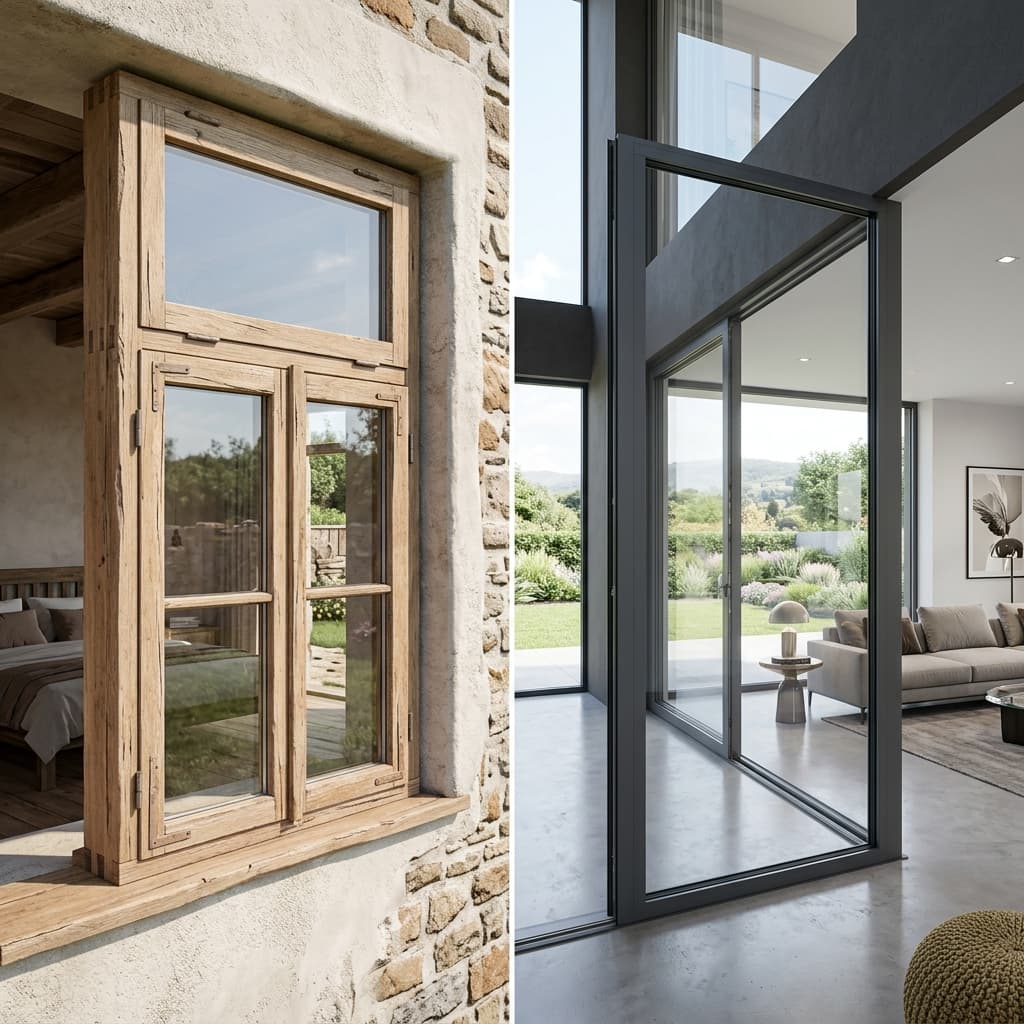
System Windows vs Traditional Aluminium Windows: Which Is Better for Modern Homes?
An in-depth comparison between engineered system windows and traditional site-fabricated aluminium windows for modern Indian homes.
Buyer's Guide
What is the difference between System Windows and Normal Windows
A detailed guide comparing system windows and normal windows. Learn about engineering, water leakage protection, sound insulation, durability, and aesthetics.
Buyer's Guide
Aluminium vs uPVC Windows — Which Is Better for Indian Homes in 2026?
A comprehensive 2026 guide comparing Aluminium and uPVC windows for Indian homes. Discover which is better for strength, thermal insulation, aesthetics, and cost to make the right choice for your next project.
Ready to Transform Your Space?
Get a free, no-obligation technical consultation and personalized quote for your premium aluminium window and door requirements. Our experts are ready to bring your vision to life.
