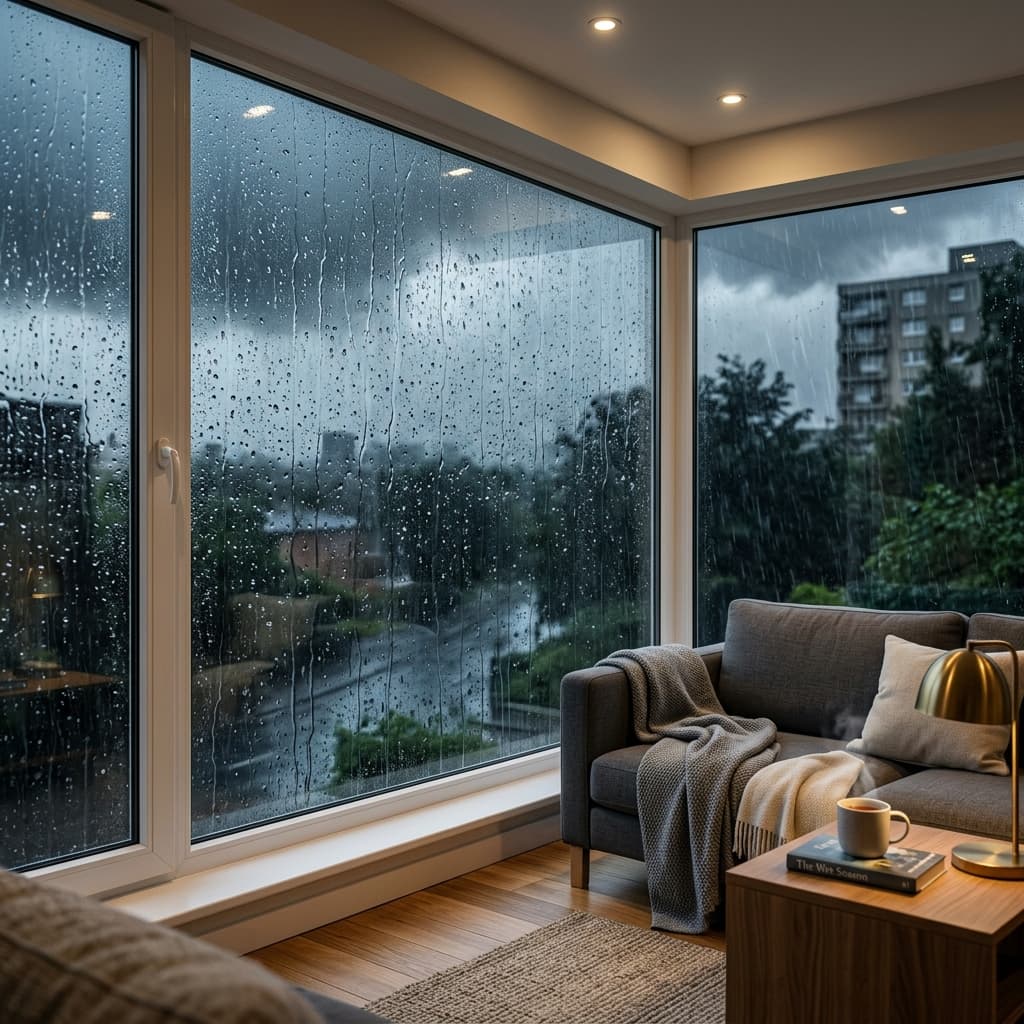
uPVC Window Leaking in Rain – Causes, Fixes & Prevention Tips (2026 Guide)

Abdus Salam
Expert Contributor
Category: Maintenance Guide | Read Time: 10 min | Updated: August 2026
Introduction#
When the monsoon arrives in Indian cities, heavy rainfall brings relief from scorching summer heat. However, it can also reveal an frustrating home defect: water leaking through or around your windows.
Water dripping from window sashes, damp water stains accumulating on interior walls, or standing water pooling inside track grooves during downpours are clear indicators of fenestration seepage.
While modern high-grade uPVC windows are specifically engineered for superior weather resistance and zero water penetration, improper installation, neglected maintenance, or blocked drainage channels can lead to unexpected leakage.
In this guide, we explore the primary causes of uPVC window leaks during rainstorms, practical step-by-step repair solutions, pre-monsoon prevention practices, and when it is time to upgrade to professional monsoon-proof uPVC window systems.
Why Do uPVC Windows Leak During Heavy Rain?#
Before attempting repairs or purchasing replacement windows, identifying the precise origin of the leak is essential. Water typically enters due to one of 6 common vulnerabilities:
1. Blocked Frame Drainage Weep Holes#
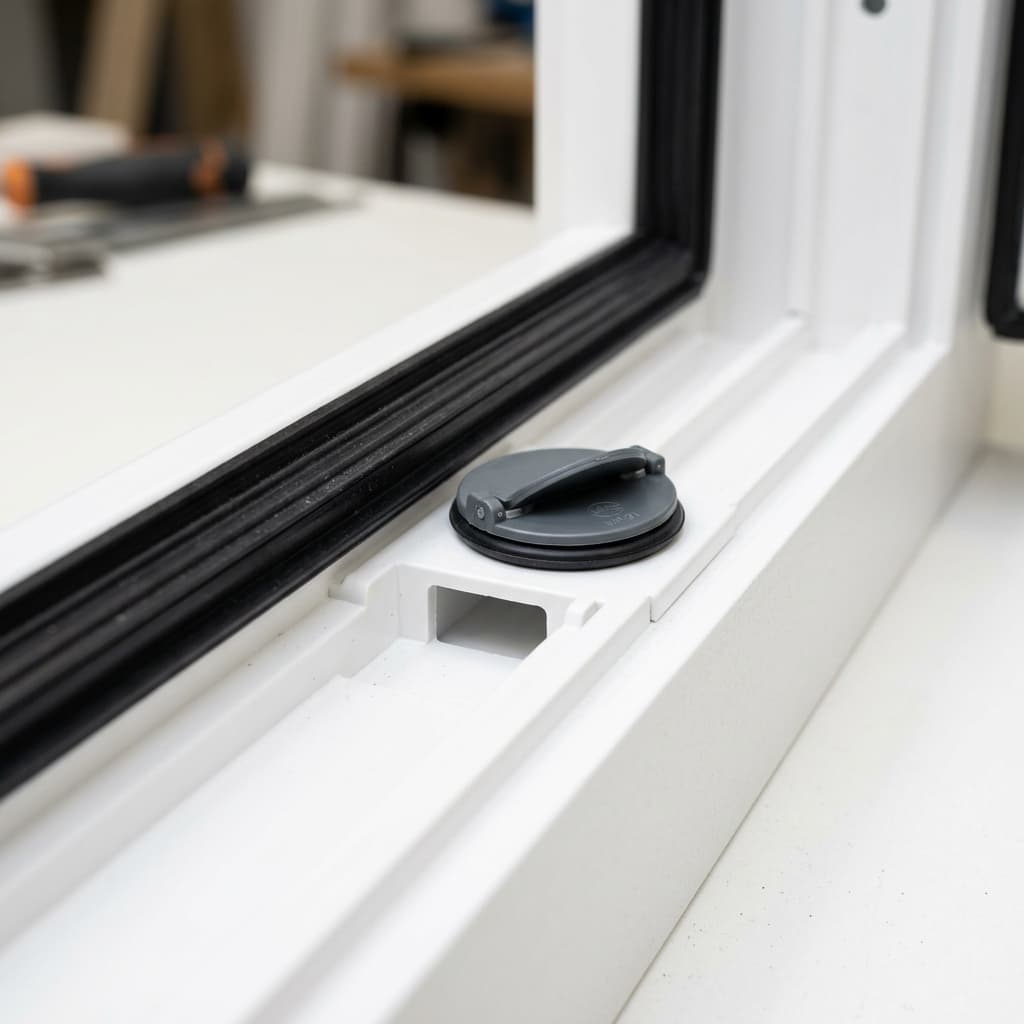
Modern uPVC outer frames incorporate internal slopes and external drainage weep holes designed to channel water that enters sash tracks back outside. Over time, dust, construction debris, dried leaves, or dead insects clog these tiny openings, causing water to overflow into your room.
2. Damaged or Worn EPDM Rubber Seals#
Rubber weather gaskets surrounding the glass panes and sash perimeter create airtight and watertight seals. Continuous exposure to strong solar heat, high humidity, and UV rays can cause low-grade rubber seals to harden, shrink, crack, or pull away from frame corners.
3. Faulty or Deteriorated Exterior Silicone Sealant#
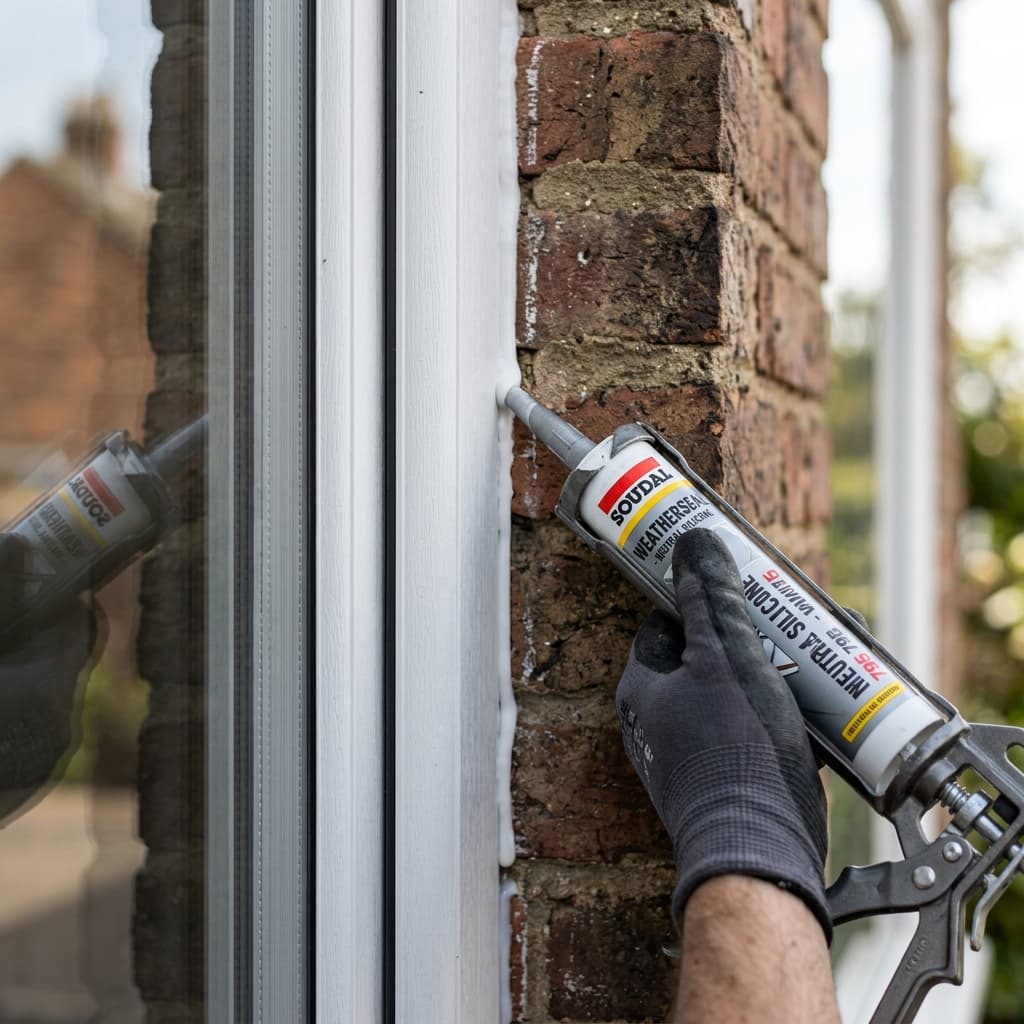
The gap between the outer uPVC frame and the concrete/masonry wall aperture is sealed with weather-grade silicone sealant. If cheap acrylic caulk was used or if the sealant has cracked and peeled due to building expansion, rain seeps directly into the wall void behind the frame.
4. Incorrect Frame Installation or Misalignment#
If the window frame was installed out-of-plumb, insufficiently anchored, or fitted without proper slope sill flashing, water can pool at the base instead of draining outward.
5. High Wind-Driven Monsoon Rain#
In high-rise apartments and coastal buildings, stormy winds push rain horizontally against window sashes under extreme pressure. Standard low-profile tracks without elevated hurricane water baffles can experience pressure overflow.
6. Substandard Window Component Specifications#
Cheaply fabricated windows featuring thin profile walls (< 2.0mm), single-point latching hardware, or ill-fitting sashes fail to compress gaskets tightly against outer frames during windstorms.
6 Major Leak Causes & Immediate Fixes#
Fix #1: Unblock Frame Drainage Weep Holes#
- Symptoms: Water pooling inside the bottom track of uPVC sliding windows or cascading over interior sills.
- How to Fix: Inspect the outer bottom track of the window frame. Locate the small rectangular drainage weep holes. Use a thin wire brush, small screwdriver, or vacuum nozzle to clear accumulated dirt, leaves, or mortar residue. Flush with clear water to verify smooth outflow.
- Caution: Never seal drainage weep holes with silicone or paint—doing so guarantees severe indoor flooding during heavy downpours.
Fix #2: Replace Hardened or Damaged Rubber Seals#
- Symptoms: Drafts, wind whistling noises, or water droplets seeping around glass edges or sash corners.
- How to Fix: Carefully peel out the degraded gasket strip from its profile channel. Measure the groove size and push a new continuous EPDM synthetic rubber gasket into the groove, ensuring tight 45-degree corner joins without over-stretching the material.
Fix #3: Re-Seal Frame-to-Wall External Perimeter Gaps#
- Symptoms: Damp, peeling paint or water stains appearing on walls surrounding the window frame.
- How to Fix: Scrape away loose, cracked, or moldy old sealant using a putty knife. Clean the joint with isopropyl alcohol. Apply a uniform bead of high-performance neutral-cure silicone weather sealant along the entire exterior frame perimeter. Smooth out with a jointing tool for a watertight seal.
Fix #4: Adjust Sash Hinges and Multi-Point Locks#
- Symptoms: Window handles do not close tightly, or the sash leaves a visible gap against the frame.
- How to Fix: On uPVC casement windows, adjust the eccentric locking cams (cams/pins) on the sash edge using an Allen key to increase gasket compression force. Tighten loose friction stay hinge screws to align the sash squarely in the frame.
Fix #5: Install External Drip Bars / Monsoon Caps#
- Symptoms: High wind-driven rain pushing water over the outer frame lip in exposed coastal apartments.
- How to Fix: Retrofit clip-on uPVC monsoon caps over outer weep holes to shield them from direct wind pressure while allowing water outflow. Attach an extruded aluminum drip bar to the bottom sash to shed cascading rainwater away from the frame joint.
Fix #6: Inspect Alignment & Masonry Sill Flashing#
- Symptoms: Persistent leaks despite clean drainage and new silicone seals.
- How to Fix: Check if the masonry sill slopes downward away from the window frame. If the sill tilts inward, water collects against the frame base. Apply a waterproof mortar screed or stone sill extension sloping outward.
Leak Diagnostics Summary Table#
| Leak Symptom | Likely Cause | Primary Recommended Action |
|---|---|---|
| Water pooling in track | Clogged drainage weep holes | Clear debris with wire brush & flush with water |
| Water seeping through glass edge | Cracked or shrunk rubber gasket | Replace with fresh continuous EPDM rubber seals |
| Damp stains around wall frame | Degraded exterior silicone sealant | Scrape old sealant & re-caulk with neutral silicone |
| Water forced inside by gale winds | Low track height / missing monsoon caps | Fit non-return monsoon caps & high-track baffles |
| Sash leaves gap when locked | Loose hinges or unadjusted cams | Adjust locking cams & tighten friction stay hinges |
Pre-Monsoon Prevention Maintenance Checklist#
Prevent window leaks before rainy weather arrives by performing this annual pre-monsoon maintenance routine:
- Clean Bottom Track Grooves: Vacuum out dust, sand, and pet hair from sliding window tracks every 3 months.
- Flush Weep Holes: Pour a glass of clean water into the frame track to confirm rapid external drainage.
- Inspect Rubber Seals: Wipe EPDM gaskets with a damp cloth; check for stiffness or cracking.
- Check Exterior Silicone Joints: Inspect outer perimeter joints for hairline cracks or peeling.
- Test Lock Engagement: Ensure window handles latch smoothly and pull sashes firmly against weather gaskets.
When Should You Replace Your uPVC Windows?#
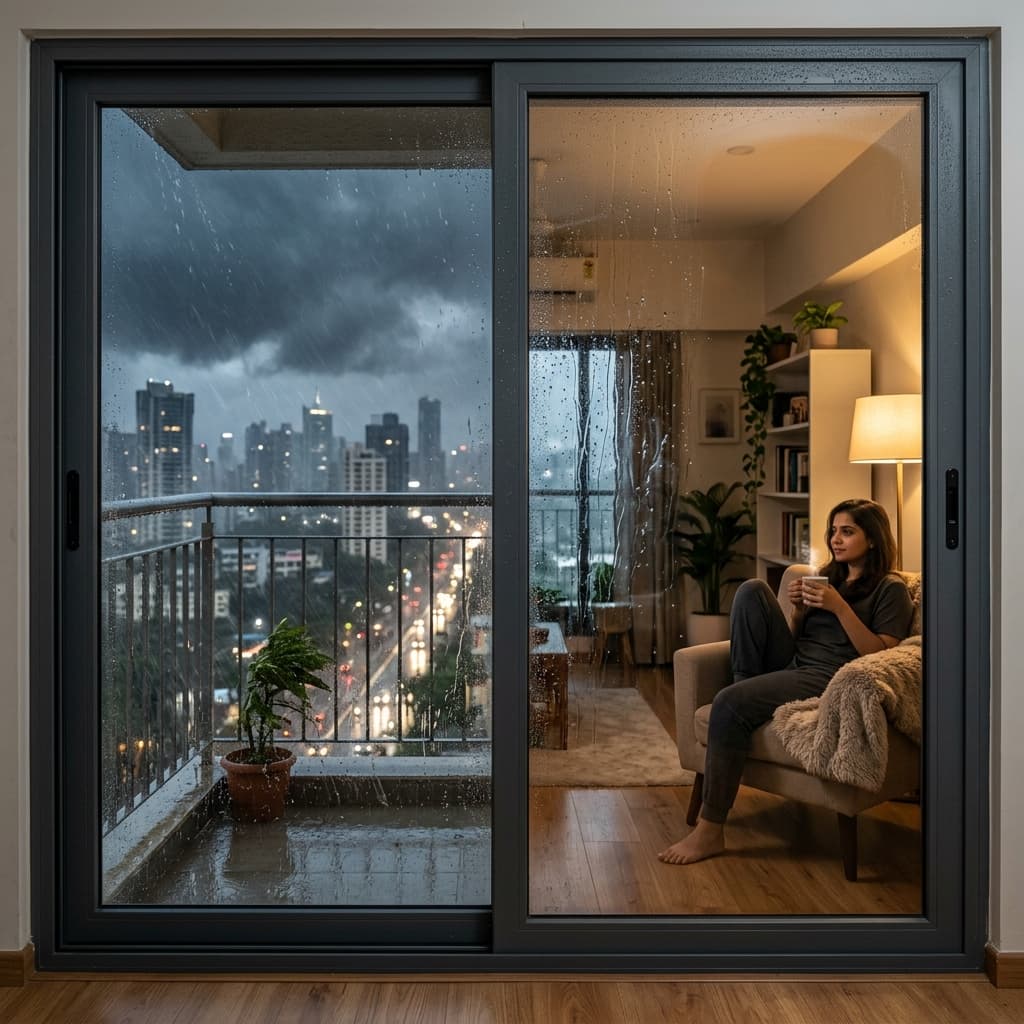
While minor leaks can be solved by cleaning weep holes or replacing silicone seals, severe or recurring water ingress indicates that window replacement is necessary. Consider upgrading your windows if:
- The Frame is Severely Warped or Cracked: Low-quality uPVC profiles without steel reinforcement bow permanently under heat and wind pressure.
- Repeated Wall Damage Occurs: Water seeps through unresolvable frame joint cracks, ruining expensive wallpaper, wood paneling, or masonry.
- Obsolete Single Glazing: Old single-pane windows lack thermal insulation and acoustic performance.
- Hardware & Gaskets Are Discontinued: Outdated custom profiles with non-replaceable seals or broken lock mechanisms.
Upgrading to modern multi-chamber uPVC systems with double glazed units (DGU) provides permanent weatherproofing, noise isolation, and long-term energy savings.
What to Look For in Monsoon-Proof uPVC Windows#
When investing in new uPVC windows for rainy or coastal regions, ensure the specification includes:
- Class A Multi-Chamber Profiles: Extra wall thickness (≥ 2.8mm) resists wind distortion.
- Elevated Monsoon Track Heights: High inner track lips prevent rain overflow during tropical storms.
- Dual-Sealed EPDM Rubber Gaskets: High-elasticity synthetic rubber seals at all glass and sash interfaces.
- Internal Galvanized Steel Core: 1.5mm–2.0mm steel box section reinforcement for high wind-load stability.
- Professional Waterproof Installation: Fastened with heavy-duty frame anchors, expanding polyurethane foam insulation, and weather-grade exterior silicone.
Frequently Asked Questions (FAQs)#
1. Why is my uPVC window leaking during heavy rain?#
A uPVC window may leak during heavy rain because of blocked drainage holes, damaged rubber seals, cracked external sealant, poor installation, or strong wind-driven rain. Identifying the exact source of the water is important before attempting a repair.
2. Can blocked drainage holes cause uPVC window leakage?#
Yes. Drainage holes are designed to allow water collected inside parts of the window frame to flow outside. If they become blocked with dust, dirt, leaves, or debris, water may collect and eventually enter the interior.
3. How do I stop my uPVC window from leaking?#
The correct solution depends on the cause. You may need to clean drainage holes, replace damaged seals, repair external sealant, adjust the window hardware, or have the installation inspected by a professional.
4. Are uPVC windows waterproof?#
High-quality uPVC window systems are designed to provide good protection against rain and moisture. However, weather resistance depends on the complete system, including drainage, weather seals, hardware, installation, and sealing between the frame and wall.
5. Can damaged rubber seals cause water leakage?#
Yes. Rubber seals can become damaged, hard, loose, or cracked over time. This may create gaps between the window sash and frame, allowing rainwater or air to enter.
6. Should I apply silicone to stop water leakage around my window?#
Silicone or weather-resistant sealant may help when leakage is caused by gaps between the window frame and wall. However, applying sealant without identifying the actual source of the leak may only provide a temporary solution. Drainage holes should never be permanently blocked with silicone.
7. Why does my uPVC window leak only during heavy rain?#
This can happen because strong winds push rainwater against the window with greater pressure. High-rise buildings, balconies, coastal areas, and exposed locations may experience more wind-driven rain.
8. Can poor installation cause uPVC window leakage?#
Yes. Incorrect alignment, poor sealing, improper anchoring, or gaps between the frame and wall can cause water leakage. Even a high-quality uPVC window may not perform properly if it is incorrectly installed.
9. Do old uPVC windows leak more often?#
Older windows may develop problems as seals, hardware, external sealant, and other components wear over time. Regular maintenance and timely repairs can help maintain their weather performance.
10. When should I replace a leaking uPVC window?#
Replacement may be necessary if the frame is severely damaged, leakage continues despite repeated repairs, the hardware frequently fails, or the existing window system is outdated. For smaller problems, repairs such as cleaning drainage holes or replacing seals may be enough.
Conclusion#
Rainwater leaks are frustrating, but most uPVC window leaks are caused by simple issues like clogged weep holes, worn seals, or cracked perimeter caulk that can be resolved quickly.
By maintaining clean tracks, inspecting gaskets annually, and choosing professionally installed, high-performance uPVC windows from Samani ECC, you keep heavy rain outside where it belongs—ensuring a safe, quiet, and comfortable home every monsoon season.
Tired of dealing with window leaks every monsoon? Contact Samani ECC today for professional window inspection, repairs, or custom monsoon-proof window upgrades.
Keywords

Abdus Salam
Expert Contributor
Expert in architectural aluminium systems and uPVC fenestration with over 20 years of experience in the Indian construction industry.
Related Articles
Technical Guide
uPVC Windows for Monsoon Season – Are They Truly Waterproof? (2026 Guide)
Discover whether uPVC windows are truly waterproof during Indian monsoons. Learn how sloped drainage channels, EN 12208 watertightness standards, and EPDM seals prevent leaks.
Buyer's Guide
Monsoon-Proofing Your Mumbai Home — uPVC Windows, uPVC Doors and What Actually Works
Prepare your Mumbai home for heavy rains, high winds, and moisture. Learn why weather-resistant uPVC windows and doors offer the ultimate waterproofing solution.

Commercial Guide
uPVC Windows for Commercial Buildings – Offices, Retail & Industrial (2026 Guide)
Explore how uPVC windows and doors perform in commercial buildings. A complete guide on specifications for offices, retail stores, and industrial facilities in India.
Ready to Transform Your Space?
Get a free, no-obligation technical consultation and personalized quote for your premium aluminium window and door requirements. Our experts are ready to bring your vision to life.
