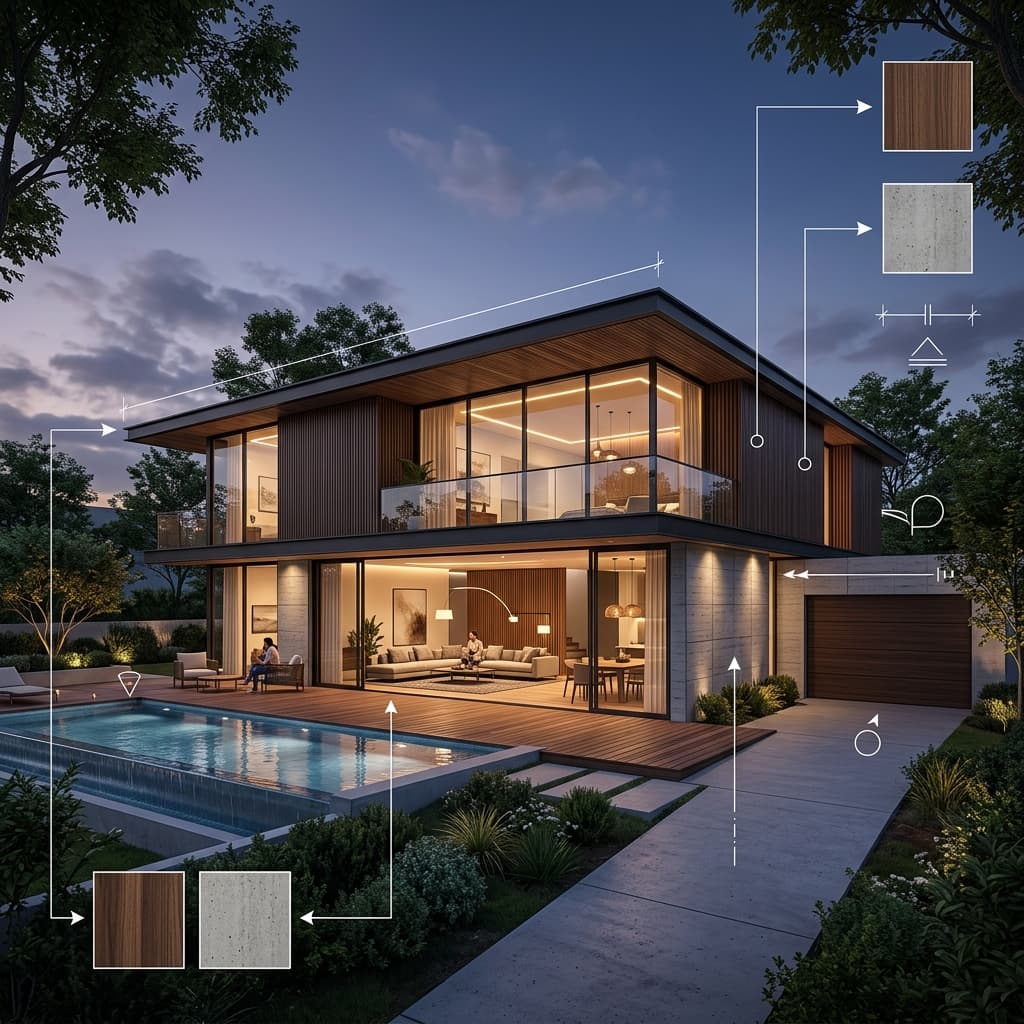
System Window Price Guide 2026: Complete Cost Breakdown for Homeowners and Builders

Abdus Salam
Expert Contributor
Category: Pricing Guide | Read Time: 10 min | Updated: June 2026
Planning a new home or commercial project means making smart choices about every component – and windows are no exception. System windows are engineered, multi-part assemblies designed and tested as a whole, unlike generic fabricated windows.
Their integrated design delivers higher performance and longer life, but also a higher upfront price. In this 2026 price guide, we break down all the factors that influence system window costs in India, help you budget realistically, and show how this investment pays off over time. Whether you’re an architect, builder, or homeowner, you’ll get the details you need to make an informed decision and avoid hidden costs.
Ready to get an accurate quote? Contact Samani ECC today for a free consultation and site evaluation.
What Is the Average Cost of System Windows in 2026?#
System window prices in India vary widely by specification. As a rule of thumb, most installed system windows fall into three bands:
- Entry-Level: ~₹800 – ₹1,200 per sq.ft. (Basic engineered frames with single or 6 mm glass)
- Mid-Range: ~₹1,200 – ₹2,000 per sq.ft. (Double-glazed units with standard hardware)
- Premium: ~₹2,000 – ₹3,000+ per sq.ft. (Large units, triple/double glazing, imported profiles and hardware)
For example, a simple sliding window (aluminium frame + single glass + basic hardware + installation) can be around ₹400–900 per sq.ft, whereas a top-end large sliding system may exceed ₹2,500+ per sq.ft. (Prices include fabrication and installation, but exclude taxes and any extras like grills or blinds.)
| System Window Category | Typical Price (₹/sq.ft) | Description |
|---|---|---|
| Entry-Level System Windows | ₹800 – ₹1,200 | Standard engineered frames, single-clear glass |
| Mid-Range System Windows | ₹1,200 – ₹2,000 | Double glazing, better hardware and seals |
| Premium System Windows | ₹2,000 – ₹3,000+ | Thick profiles, insulated/triple glass, high-end hardware |
Table: Approximate installed cost ranges for system windows in India (2026) – actual project cost depends on profile grade, glass, hardware, window size, and installation details.
For most residential projects, a mid-range system window (e.g., double-glazed sliding or casement) will be around ₹1,200–₹1,800/sq.ft. Ultra-premium systems (e.g., large lift-and-slide doors with triple glass) can top ₹2,500–3,000/sq.ft. By contrast, very basic untested aluminium frames (no thermal break) start lower (often ₹400–800/sq.ft), but lack guaranteed performance and warranty.
Expert Tip: We recommend getting at least two detailed quotations. Some vendors quote per sq.ft of wall opening, others per actual panel area – clarify this to compare prices accurately.
Factors That Affect System Window Pricing#
Many variables influence a system window’s cost. Even two seemingly identical 6×6 ft windows can have different prices if, say, one uses thicker aluminum profiles or double-pane glass. Here are the top factors:
Aluminum Profile Quality#
Higher-grade aluminium alloys and heavier profiles cost more. Premium “system” profiles (often 1.2–2.0 mm wall thickness, e.g., 6063/6065 alloy) offer better strength, corrosion resistance, and finish, but come at a higher price. For example, a basic frame (generic alloy) is listed at ₹220–350/sq.ft, while a premium Jindal-branded profile is ₹300–450/sq.ft. Thicker cross-sections or decorative groove finishes will also raise cost.
Glass Specification#
Glass can be a major cost driver. A single pane of clear glass is cheapest (~₹100–150/sq.ft), but upgrading to tempered, laminated, or insulated units adds substantially. Toughened glass costs ₹180–300/sq.ft.
Industry data shows double-glazed units typically add about ₹150–300/sq.ft over single glass, while laminated/security glass can add ₹200–400/sq.ft. Low-E coatings, tinted or argon-filled IGUs cost extra but improve energy efficiency, so choose based on your climate and noise needs.
Hardware Quality#
Locking and moving hardware affect both performance and price. Basic handles, hinges, and roller kits cost around ₹50–100/sq.ft. Upgrading to higher-end multi-point locking systems or premium-brand hardware (e.g., with corrosion-resistant pins and anti-lift bolts) can add significantly per opening. In our experience, choosing a known hardware brand can add ₹1,000+ per window versus generic locks, but provides smoother operation and security.
Window Design and Type#
The window style impacts fabrication complexity. In general:
- Fixed Windows (no moving parts) are cheapest to build.
- Sliding Windows (2-track) are low cost – roughly similar to fixed plus hardware.
- Casement Windows (hinged) are moderate – require reinforced corners and hinges.
- Combination Windows (e.g., sliders plus fixed panels) run moderate-high.
- Tilt-and-Turn Windows are high – need extra seals and specialized hardware.
- Lift-and-Slide Systems (for patio doors) are very high – heavy-duty tracks, large panels, and complex installation.
For example, a 2-track sliding unit runs at ~₹450–750/sq.ft, a casement at ₹500–850, and a tilt-turn at ₹650–1,100. As the cost hierarchy shows below, sliding systems tend to be the most cost-effective, while multi-panel lift-slides command premium prices:
| Window Type | Relative Cost |
|---|---|
| Fixed Window | Lowest |
| Sliding Window | Low to Moderate |
| Casement Window | Moderate |
| Combination | Moderate to High |
| Tilt & Turn | High |
| Lift & Slide | Premium (Highest) |
Table: Rough cost hierarchy by window type (assuming similar size). A basic sliding window (2-track) might run under ₹800, while an all-glass lift-slide door can exceed ₹2,500/sq.ft.
Window Size#
Larger windows require more material and often stiffer profiles, so cost per unit is higher. However, they can benefit from economies of scale per square foot of glass. Very large spans (>8–10 ft) may need special reinforcement (steel rails or extra mullions), which adds labour and material. In short, don’t assume “bigger = proportionally cheaper”; oversized openings usually cost more per square foot to engineer safely.
Thermal Break Technology#
Thermal-break profiles have an insulating polymer strip between inner and outer aluminum. This dramatically cuts heat transfer (improving energy efficiency), but frames are more complex to extrude and assemble. Expect a price premium for thermal-break systems. These advanced frames help windows meet stringent standards: top system windows often achieve EN Class 4 air-tightness and Class 9A water-tightness at 600 Pa in lab tests. In other words, a well-engineered thermal-break window will leak only ~3 m³/h·m² of air at high pressure, which costs more to manufacture than a simple frame.
Installation Complexity#
Labour and site conditions matter. Installing windows in a bungalow is cheaper than a 30-story high-rise scaffold install. Installation factors include building height, access, opening size accuracy, sealing, and finishing. Skilled installers charge roughly ₹50–120 per sq.ft for labour alone (with averages of ₹60–120 in metro areas like Mumbai, Thane, and Pune). Total installation (labour + consumables + transport) typically runs ₹100–230/sq.ft. Complex scenarios (difficult access, deep masonry walls, or island construction) can add much more. Always budget for professional fitting, as even the best window underperforms if poorly installed.
Cost Comparison by Window Type#
| Window Type | Approx. Price Range (₹/sq.ft) | Notes |
|---|---|---|
| Fixed Window | ₹350 – ₹550 | No hardware, lowest cost |
| Sliding (2-track) | ₹450 – ₹900 | Common budget-friendly option |
| Casement | ₹500 – ₹1,100 | Hinged, weather-tight |
| Combo (Slider + Fixed) | ₹600 – ₹1,500 | Mixed operation, more complex frame |
| Tilt & Turn | ₹650 – ₹1,200+ | Premium style with secure ventilation |
| Lift & Slide | ₹1,000 – ₹3,000+ | Heavy panels, max glass area (premium) |
Table: Installed cost ranges for typical aluminium window types (2026). Lower end assumes single-pane, basic hardware; higher end assumes double-glazing, thermal break, and premium finish.
System Windows vs Traditional Windows Cost#
It’s helpful to compare system windows with “traditional” fabricated aluminum windows (locally assembled frames). In general:
| Feature | Traditional Aluminum Window | System Window |
|---|---|---|
| Initial Cost | Lower (simpler profiles) | Higher (engineered systems) |
| Energy Efficiency | Basic (high heat conduction) | High (thermal breaks, IGUs) |
| Sound Reduction | Limited (single glazing) | Superior (double/triple glazing) |
| Water Tightness | Moderate (silicone seals) | Excellent (engineered drains) |
| Security | Standard (basic locks) | Advanced (multi-point locks, laminated glass) |
| Durability | Good (but depends on fabrication) | Excellent (tested for 20+ yrs) |
| Maintenance | Moderate (may need resealing) | Low (precision parts) |
| Long-Term Value | Moderate | High (energy savings, resale) |
Compared to a basic assembly, a system window costs more up front, but it delivers predictable performance. For example, high-grade double-glazed windows significantly reduce noise and energy bills. In practice, system windows typically enhance comfort and property value in the long run, offsetting their extra cost. Refer to our detailed Aluminium vs uPVC Windows Comparison Guide for more details.
How to Save Money Without Compromising Quality#
Balancing cost and quality is key. Follow these tips to optimize your budget:
- Choose Appropriate Glass: Don’t overpay for triple glazing or Low-E in a mild climate. Use double glazing only where needed. (Upgrading from single to double glass adds ~20–70% more glass cost, so skip if unnecessary.)
- Standardize Sizes and Profiles: Custom shapes and unusual sizes raise fabrication costs. Standard window sizes and profile sections minimize waste and machining time. This cuts material use and labour.
- Buy in Bulk: Large orders often unlock discounts. If you’re outfitting an entire house or multi-unit building, negotiate volume pricing with your supplier.
- Request Multiple Quotes: Get at least three quotes from reputable vendors. Comparing bids helps you spot hidden fees (like separate glass or sealant charges) and leverage competitive pricing.
- Optimize Installation: Plan construction so installers can work efficiently. Schedule window fitting when scaffold/access is ready. Hard-to-reach projects (e.g., tower cranes vs. ladders) can double labour costs.
- Time Your Purchase: Suppliers sometimes offer promotions during off-peak seasons (monsoon/winter) when demand slows. Also check for any government incentives or tax rebates on energy-efficient windows.
- Work with Experts: Cutting corners on installation or specification can cost more later. Partner with experienced installers (like Samani ECC’s certified teams) to avoid mis-measurements or leaks.
By investing in the right components (profiles, glass, hardware) and skilled installation, you avoid rework and maintain warranty. This strategy ensures you get the most value per rupee, rather than just chasing the lowest quote.
Questions to Ask Before Requesting a Quotation#
To compare suppliers fairly, be sure to clarify:
- Profile System: Is the quoted profile part of a tested window system, or just a generic assembly? (Only certified systems guarantee performance.) Refer to our What is the difference between system windows and normal windows guide for reference.
- Glass & Glazing: What type/thickness of glass is included? Is double glazing or Low-E glass offered?
- Hardware Brand: Which brands of locks, handles, hinges will be used? (Premium hardware lasts longer.)
- Installation: Does the quote include installation, sealing, and finishing, or only supply?
- Warranty & Support: How long is the warranty on frames, glazing, and hardware? Are spare parts locally available?
- Measurement Basis: Is the cost calculated per square foot of wall opening (including frame) or just glass area?
- Extras & Taxes: Are delivery, GST, and any extras (grills, exhaust vents, etc.) included or extra?
- Energy Ratings: Has the system been tested for energy/air tightness (e.g., U-factor or U-value)? (Some projects require certified ratings.)
Asking these questions up-front will help prevent surprises. It ensures you know exactly what performance you’re paying for.
Are System Windows Worth the Cost?#
For modern projects prioritizing comfort and efficiency, the consensus is yes – but it depends on your goals. System windows deliver:
- Energy Savings: Better thermal insulation cuts AC/heating use. (Double-glazing can reduce heat loss by ~30% vs. single glass.)
- Noise Reduction: Multi-pane and seals greatly dampen street noise.
- Durability: High-grade materials and finishes mean fewer repairs over decades.
- Security: Toughened/laminated glass and multi-point locks improve safety.
- Aesthetics & Value: Slimmer frames and large glass areas modernize the look and boost resale appeal.
- Low Maintenance: Engineered seals and finishes resist weathering, saving upkeep cost.
Although the initial bill is higher, system windows often pay for themselves via lower energy bills, less maintenance, and higher property value. In contrast, a cheap window might cost less today but degrade faster, leading to reinstallation or retrofits later. Refer to our System Windows vs Traditional Aluminium Windows Comparison to help you decide.
Ultimately, consider how long you’ll own the building. If it’s 10+ years, the added comfort, durability, and value of system windows typically justify the extra cost. Many of our customers find the long-term benefits make it a smart investment for 20–30 years of trouble-free use.
Final Thoughts#
System windows represent the pinnacle of window technology: fully-engineered, tested assemblies that integrate frame, glass, and hardware. Their performance (airtightness, insulation, longevity) is unmatched by untested shop-fabricated windows. While they do have a higher initial cost, that investment often yields dividends in comfort and savings over the life of the building.
When selecting windows, focus on overall value rather than just the lowest price. Look for clear specifications: frame thickness, glass type, test certificates, and warranty. Remember that skimping on any component (cheaper glass or locks) can create failure points. It’s better to choose a slightly higher quote from a reputable supplier with full transparency and support.
Ready to upgrade your windows? Contact our experts at Samani ECC for a free estimate and consultation. We’ll help you choose the right system windows to balance cost, performance, and design for your project. Together, we can maximize your long-term comfort and value – starting from the very first quote.
Keywords

Abdus Salam
Expert Contributor
Expert in architectural aluminium systems and uPVC fenestration with over 20 years of experience in the Indian construction industry.
Related Articles
Pricing Guide
uPVC Casement Window Price: How Much Should You Pay in India? (2026 Guide)
A comprehensive guide on uPVC casement window prices per sq ft in India for 2026. Compare costs by type, size, glass, profile brand, and aluminium vs uPVC.
Pricing Guide
Aluminium Sliding Window Price & Dimensions Manual 2026 (3x3, 4x4, 5x4 Size Breaks)
A comprehensive guide on aluminium sliding window prices and dimensions in India for 2026. Compare costs for 3x3, 4x4, and 5x4 sizes, and explore aluminium vs uPVC.
Pricing Guide
The Definitive uPVC Windows Price Guide 2026: Per Sq Ft, Flat Wise (2BHK/3BHK) & Size Lists
A comprehensive guide on uPVC windows price in India for 2026. Explore sq ft rates, 2BHK/3BHK flat-wise estimates, standard sizes, and key price factors.
Ready to Transform Your Space?
Get a free, no-obligation technical consultation and personalized quote for your premium aluminium window and door requirements. Our experts are ready to bring your vision to life.
