uPVC Windows for Energy Saving – How Much Can You Actually Save? (2026 Guide)

Abdus Salam
Expert Contributor
Category: Energy Efficiency | Read Time: 9 min | Updated: September 2026
Introduction#
When homeowners think about energy saving, they usually look at air conditioners, appliances and electricity tariffs first. Samani ECC believes windows and doors deserve attention too because they form an important part of a building's envelope and influence how much heat enters or leaves a room.
Modern uPVC Windows can offer useful thermal insulation because uPVC has relatively low thermal conductivity compared with highly conductive metals. When combined with suitable glazing, effective seals and proper installation, they can help create a more controlled indoor environment.
But here is the part that often gets lost in advertisements: there is no universal electricity-saving percentage for every uPVC window.
Your actual savings depend on several factors, including the existing windows, glass specification, window size, sunlight exposure, local climate, indoor temperature settings and how much you use air conditioning.
So, how much can you actually save? Let's break it down realistically.
How Do Windows Affect Your Home's Energy Consumption?#
Windows can influence energy use because they allow solar heat, outdoor heat and air movement to affect indoor conditions.
During hot weather, unwanted heat entering through windows can make an air conditioner work harder. During cooler periods, windows can also influence heat transfer between indoors and outdoors.
The effect becomes more noticeable when a home has large glazed areas or windows exposed to strong sunlight.
Your home's energy performance depends on the complete building envelope, including:
- Walls
- Roof
- Windows
- Doors
- Air leakage
- Shading
- Ventilation
This means replacing windows is not a magic electricity-saving button. However, improving poorly performing windows can be one part of a broader energy-efficiency upgrade.
Why Can uPVC Windows Help With Energy Efficiency?#
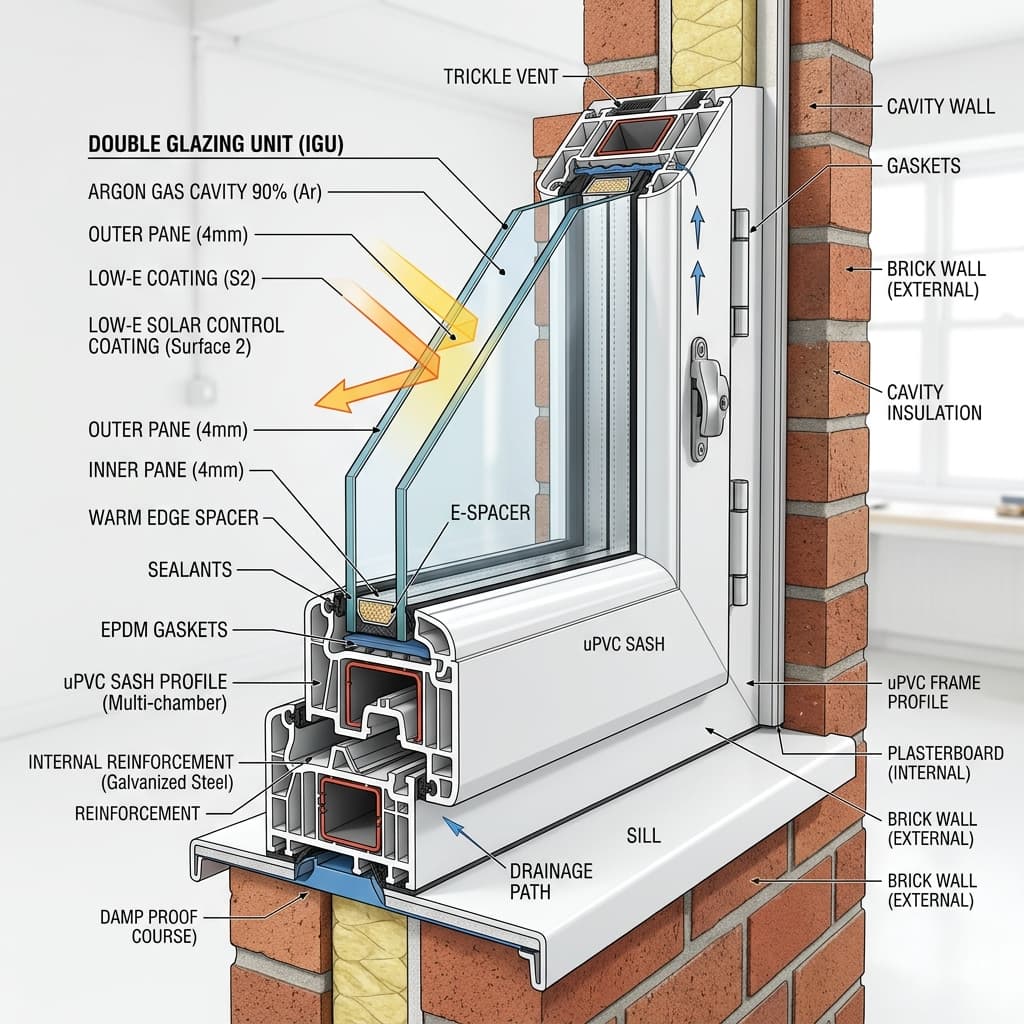
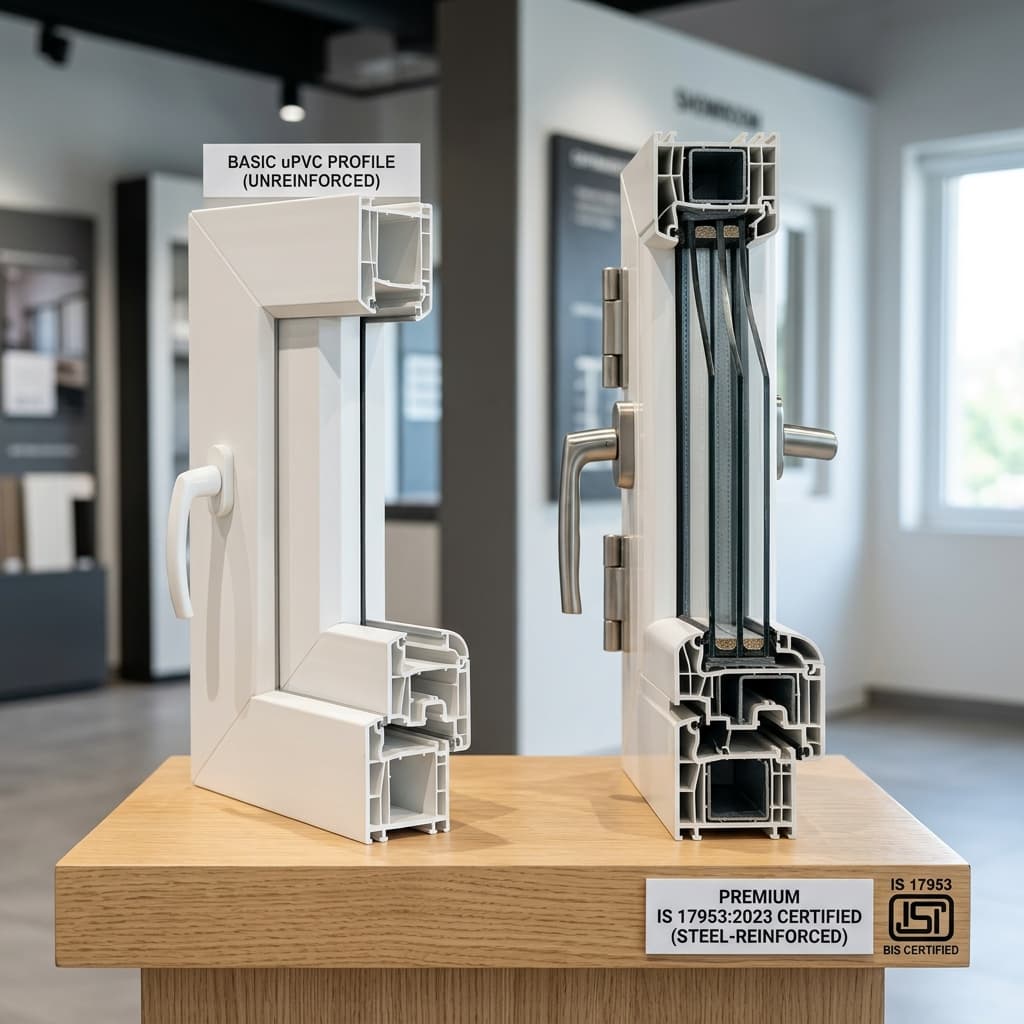
uPVC Windows can support energy efficiency because uPVC provides comparatively low thermal conductivity, while modern profiles can use multiple internal chambers to improve insulation.
The frame is only one part of the equation. The glass, seals and installation also affect thermal performance.
A well-designed window can reduce unwanted heat transfer compared with an older or poorly sealed system. This can help maintain indoor temperatures more consistently.
However, don't assume that every uPVC window provides the same result. A basic single-glazed window and a well-specified double-glazed system can have very different thermal characteristics.
The real question isn't "Is uPVC energy efficient?" but "How energy efficient is this complete window system?"
How Much Can You Actually Save With uPVC Windows?#
There is no honest one-size-fits-all percentage. Your savings depend on what you are replacing and how your home uses energy.
For example, replacing an old, poorly sealed window may provide a more noticeable comfort improvement than replacing a relatively modern, well-performing window. Similarly, a home with large west-facing windows may have different cooling requirements from a home with smaller shaded openings.
Key Factors Governing Electricity Savings#
| Factor | Impact on Energy Performance | Key Consideration |
|---|---|---|
| Existing Window Condition | High | Replacing single glass or leaky frames yields immediate thermal gains. |
| Glass Specification | Very High | Glazing dictates up to 80% of window heat transmission. |
| Window Surface Area | High | Larger glass apertures have a greater influence on AC workload. |
| Building Orientation | High | West and east facades receive intense direct solar radiation. |
| Climate Zone | Moderate to High | Tropical hot/humid climates rely heavily on solar heat control. |
| AC Operating Hours | High | Frequent AC usage increases the financial return of window upgrades. |
Because of these variables, suppliers should avoid promising a fixed electricity saving without evaluating the actual building.
Does Double Glazing Make uPVC Windows More Energy Efficient?#

Double glazing can improve thermal insulation compared with basic single glazing, depending on the glass combination, air or gas gap and complete window design.
A double-glazed unit contains two panes separated by a spacer. The space between the panes provides additional resistance to heat transfer.
However, double glazing isn't automatically the best choice for every Indian home. The appropriate glazing depends on climate, orientation, solar exposure, noise requirements and budget.
Other options can also influence performance:
- Low-E Glass: Low-emissivity coatings can reduce radiant heat transfer through the glazing.
- Solar-Control Glass: This type of glass can help manage solar heat entering through windows.
- Laminated Glass: Laminated glazing is primarily known for safety and security benefits, but certain configurations can also contribute to acoustic performance.
The right glass specification should therefore match the actual problem you are trying to solve.
Can uPVC Windows Reduce AC Usage?#
They can contribute to lower cooling demand, but they cannot guarantee a specific reduction in AC usage.
If new windows reduce unwanted heat transfer and air leakage, the indoor space may stay comfortable for longer. That can potentially reduce the workload placed on cooling equipment.
But your AC consumption depends on much more than windows. It also depends on:
- Room size
- AC efficiency
- Temperature setting
- Number of occupants
- Appliance heat
- Roof insulation
- Wall construction
- Sun exposure
- Usage duration
For example, replacing windows while leaving a poorly insulated roof exposed to intense sunlight may limit the overall improvement. Energy efficiency works best when different parts of the building work together.
Can Replacing Old Windows Improve Indoor Comfort Even Without Huge Electricity Savings?#
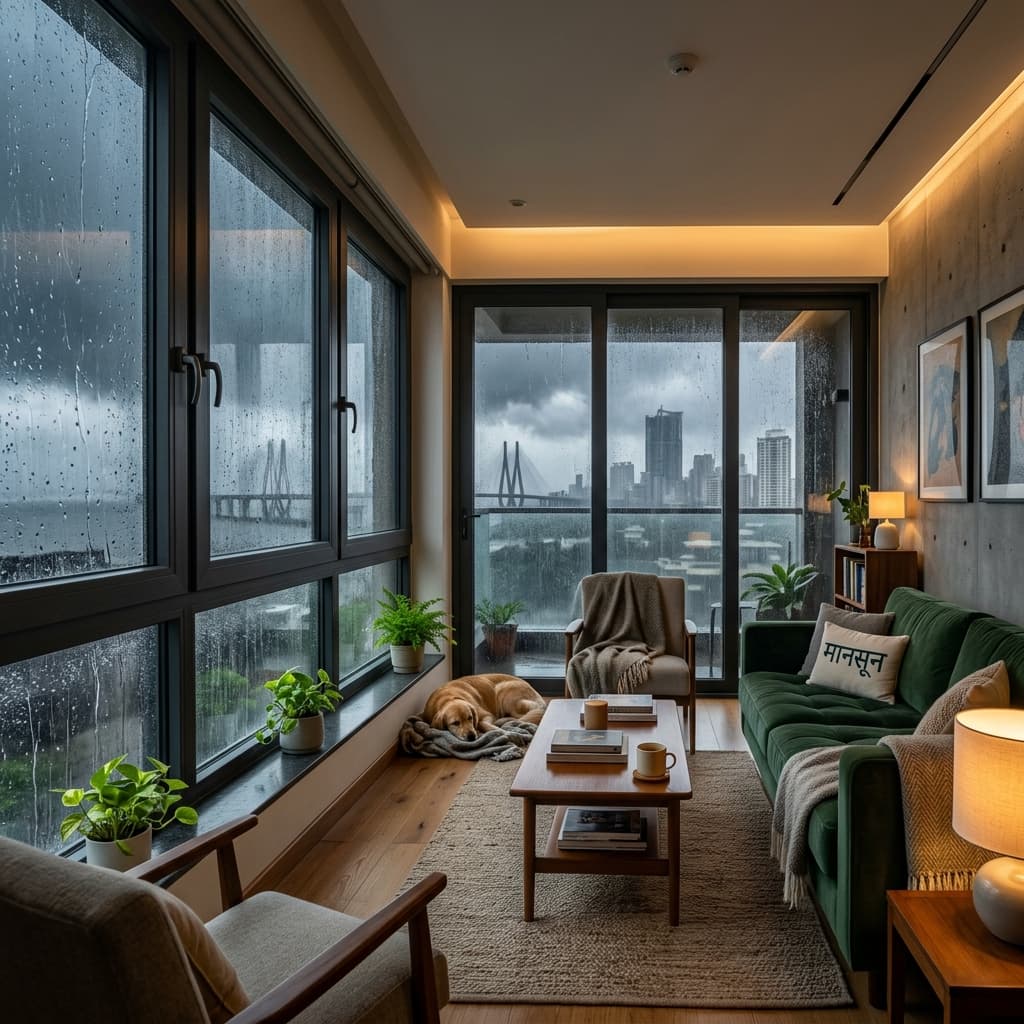
Absolutely. Energy savings are only one potential benefit of replacing poorly performing windows.
Homeowners may notice improvements in areas such as:
- Reduced drafts
- Better temperature consistency
- Lower outside noise
- Improved rain protection
- Easier operation
- Reduced maintenance
- Better appearance
This matters because the value of a window upgrade isn't always visible on an electricity bill alone.
Imagine a bedroom that receives strong afternoon heat. Even if the monthly electricity saving is modest, reducing heat entering the room can make the space more comfortable. You may also find that the room reaches the desired temperature more easily. Comfort has value too.
What About uPVC Windows Cost?#
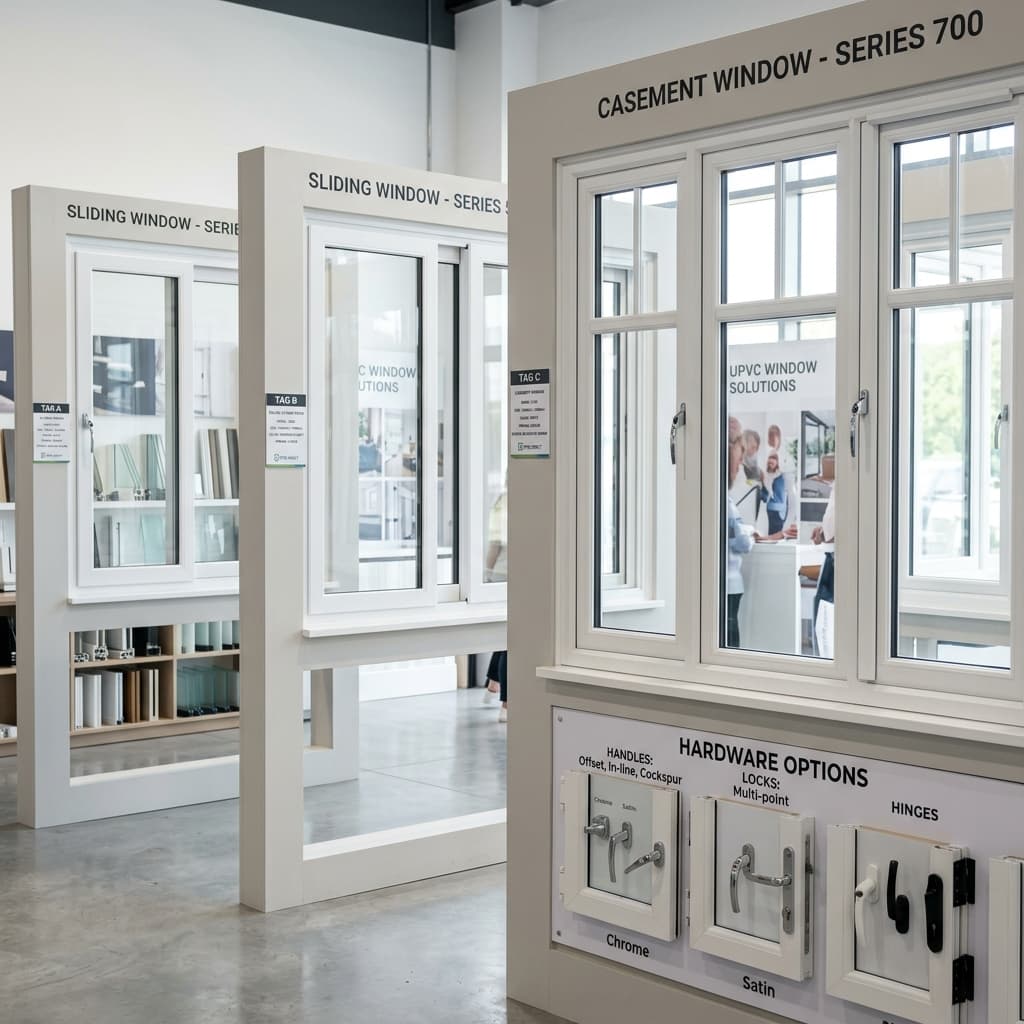
The cost of uPVC windows varies widely because the final price depends on the complete specification rather than the frame material alone.
When estimating uPVC windows cost, consider:
- Window dimensions
- Profile system
- Opening style
- Glass type
- Number of chambers
- Reinforcement
- Hardware
- Colour or finish
- Mosquito mesh
- Installation
- Site conditions
For example, a large double-glazed Casement Window with upgraded hardware will naturally have a different price from a small basic sliding window.
This makes online "per square foot" prices useful only as rough starting points. When comparing quotations, ask suppliers to specify exactly what the price includes. Cheap and expensive quotations are not meaningful comparisons unless the specifications match.
How Can You Calculate Whether New Windows Are Worth the Investment?#
The simplest approach is to compare the additional upfront cost with the expected long-term benefits rather than focusing only on the purchase price.
A basic way to think about it is:
Payback Period = Additional Investment ÷ Annual Energy Savings
For example, if an upgrade costs ₹1,00,000 more than a basic alternative and saves ₹10,000 per year in energy, the simple payback would be around 10 years.
But real projects require more detailed calculations. Your actual savings may change because electricity tariffs, AC usage and household behaviour can change.
You should also consider non-energy benefits such as:
- Comfort
- Noise reduction
- Maintenance
- Weather protection
- Security
- Appearance
- Product lifespan
So the best financial decision isn't always the option with the shortest theoretical payback.
What Are the Biggest Energy-Saving Mistakes Homeowners Make?#
The biggest mistake is expecting the window frame alone to deliver major energy savings. Several common mistakes can reduce the benefit of a window upgrade:
- Choosing Only by Price: The cheapest product may not include the same glass, hardware or installation quality.
- Ignoring Glass: The glazing specification can strongly influence solar and thermal performance.
- Forgetting Shading: Strong sunlight can still heat a room through high-performance glazing.
- Poor Installation: Gaps around the frame can undermine the benefits of a well-designed product.
- Expecting a Fixed Saving: No responsible professional can guarantee the same electricity saving for every home.
- Replacing Only One Component: A building's energy performance depends on multiple elements.
The better approach is to think about the whole building envelope.
10 Practical Energy-Saving Facts to Remember#
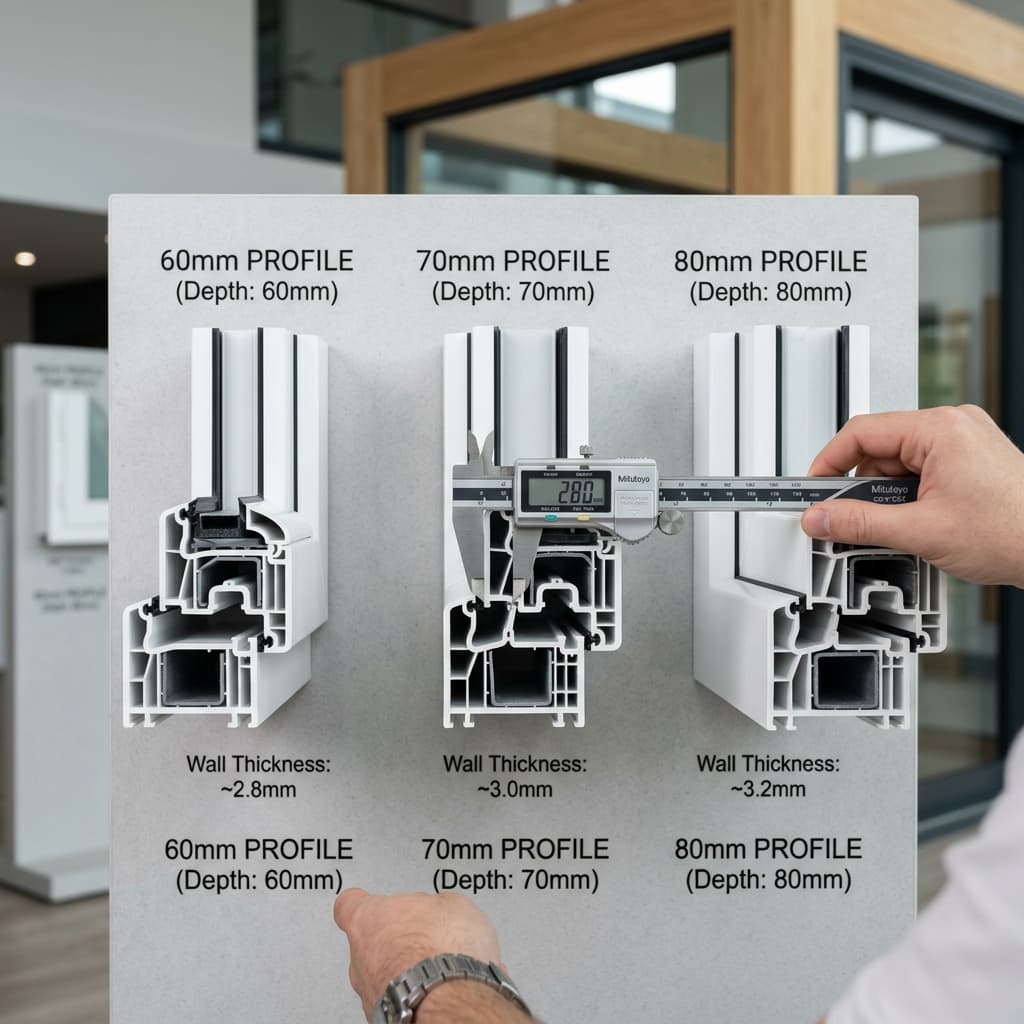
Before investing in new windows, these points can help you make a more informed decision:
- uPVC has relatively low thermal conductivity, which makes it useful for thermally insulating window profiles.
- Glass matters significantly because large windows contain substantial glazed areas.
- Double glazing can improve insulation compared with basic single glazing, depending on the complete configuration.
- Low-E glazing can reduce radiant heat transfer and may improve thermal performance.
- Solar-control glazing can help manage solar heat gain in suitable applications.
- Window orientation matters because sunlight exposure changes throughout the day.
- External shading can reduce solar heat entering through windows and should be considered alongside glazing.
- Air leakage affects comfort and energy use, making proper sealing important.
- uPVC Doors can also influence building comfort when used as external openings.
- No single window delivers the same energy savings in every building, because climate, design and usage all differ.
Conclusion#
uPVC Windows can contribute to a more energy-efficient and comfortable home, but there is no universal electricity-saving figure.
The best results come from matching the profile, glazing, shading and installation to your home's actual requirements.
So before asking only "What is the uPVC windows cost?", ask the more useful question: "What performance am I getting for that price?"
That simple change in thinking can help you make a smarter long-term investment with uPVC Windows and uPVC Doors.
Ready to improve your home's energy efficiency? Contact Samani ECC today for an expert consultation and customized window assessment tailored to your climate and architectural needs.
Contact Samani ECC for a Free Consultation
Frequently Asked Questions (FAQs)#
1. Do uPVC Windows really save electricity?#
They can help reduce cooling demand by improving insulation and limiting unwanted heat transfer, but actual electricity savings vary. Climate, glazing, window size, orientation, AC usage and installation all affect the result.
2. How much can I save after installing uPVC Windows?#
There is no fixed saving percentage for every home. Your potential savings depend on your existing windows, glass specification, sunlight exposure, AC usage and overall building efficiency.
3. Are double-glazed uPVC Windows better for energy saving?#
Double glazing can provide better thermal insulation than basic single glazing, depending on the glass and complete window configuration. It may be particularly useful where reducing heat transfer is a priority.
4. Does glass affect the energy performance of uPVC Windows?#
Yes. Glass can strongly influence heat transfer, solar heat gain and indoor comfort. Depending on the project, options such as double glazing, Low-E or solar-control glass may be considered.
5. Can uPVC Doors help reduce heat entering a home?#
Yes. External uPVC Doors with suitable glazing, seals and installation can help control heat transfer through door openings. Large glazed balcony or patio doors can be especially important.
6. Are uPVC Windows suitable for hot Indian climates?#
They can be suitable for many Indian climates. However, the best specification depends on local conditions, solar exposure, glazing, ventilation and building design.
7. Does the number of chambers determine energy efficiency?#
No. Chamber count is only one profile characteristic. Glass, profile design, seals, reinforcement, hardware and installation also influence the overall performance of a window.
8. Is the higher uPVC windows cost worth paying for better glass?#
It can be worthwhile when improved thermal, solar or acoustic performance is important. The value depends on your home's climate, window orientation, usage and the difference between the specifications.
9. Can curtains and shading improve window energy performance?#
Yes. Shading can reduce direct solar heat entering through glazing. External shading can be particularly effective because it can block sunlight before it reaches the glass.
10. What is the most important thing to check before buying energy-efficient uPVC Windows?#
Look at the complete window system, not just the frame. Check the profile, glass, seals, hardware, drainage, installation method and available performance information before comparing prices.
Keywords

Abdus Salam
Expert Contributor
Expert in architectural aluminium systems and uPVC fenestration with over 20 years of experience in the Indian construction industry.
Related Articles
Buyer's Guide
Monsoon-Proofing Your Mumbai Home — uPVC Windows, uPVC Doors and What Actually Works
Prepare your Mumbai home for heavy rains, high winds, and moisture. Learn why weather-resistant uPVC windows and doors offer the ultimate waterproofing solution.

Technical Guide
Multi-Chamber uPVC Windows – What Are They and Why Do They Matter? (2026 Guide)
Discover how multi-chamber uPVC windows improve thermal insulation, reduce urban noise, enhance structural strength, and lower AC energy bills in Indian homes.
Buyer's Guide
uPVC Windows: What Nobody Tells You Before You Buy in India (2026 Guide)
Uncover the hidden truths about buying uPVC windows in India. Learn why price per sq ft can be misleading, how to evaluate profile standards (IS 17953:2023), glass, hardware, and installation.
Ready to Transform Your Space?
Get a free, no-obligation technical consultation and personalized quote for your premium aluminium window and door requirements. Our experts are ready to bring your vision to life.
